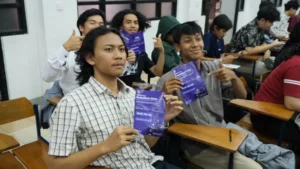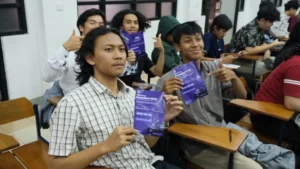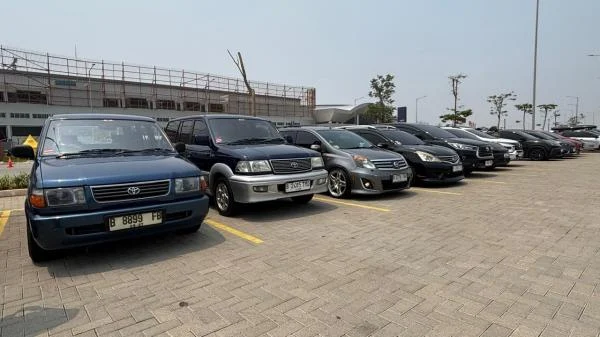
The automotive landscape in Southeast Asia witnessed a significant gathering of enthusiasts and industry professionals as 16 prominent automotive communities converged at the Automechanika Jakarta 2026 exhibition. Held from September 24 to 27 at the Nusantara International Convention Exhibition (NICE) in Tangerang, the event served as a high-profile platform where the passion for classic vehicle maintenance intersected with the rapid advancement of modern automotive technology. This year’s edition of the international trade fair underscored the vital role that user communities play in driving the aftermarket sector, particularly as owners of aging vehicle fleets seek sustainable ways to extend the lifecycle of their cars.
The Significance of Automechanika Jakarta 2026
Automechanika Jakarta is recognized as a premier trade event, acting as a bridge between global automotive manufacturers and the local market. For the 2026 iteration, the focus shifted toward the integration of smart mobility, sustainable repair solutions, and the preservation of legacy automotive models. The event attracted a diverse array of stakeholders, ranging from major global parts suppliers to local distributors and, notably, a large contingent of vehicle enthusiasts representing various brand-specific clubs.
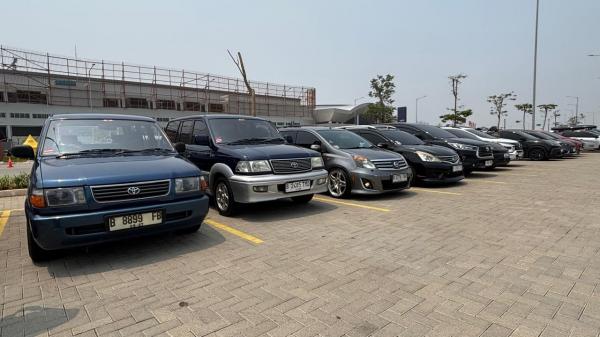
The presence of 16 distinct automotive communities, including organizations dedicated to Toyota, Hyundai, Nissan, Daihatsu, and Suzuki, highlighted a growing trend: the shift from casual hobbyism to informed, professional-grade vehicle maintenance. These communities, often serving as hubs for technical knowledge exchange, utilized the exhibition not just for networking, but as a strategic resource for sourcing hard-to-find components and exploring aftermarket upgrades that conform to modern safety and efficiency standards.
Chronology and Event Highlights
The four-day exhibition began on September 24, with an opening ceremony that emphasized the resilience of the Indonesian automotive aftermarket. Throughout the event, the exhibition floor was divided into specialized zones, covering everything from tire technology and battery management to sophisticated diagnostic equipment.
On the second and third days, the momentum shifted toward community-led engagement. It was during this time that representatives from organizations like the Toyota Sienta Community Indonesia (TOSCA) actively participated in workshops and vendor consultations. These sessions allowed community members to interface directly with international manufacturers, bridging the gap between factory-level innovation and the daily requirements of vehicle owners. By the final day, reports indicated a high volume of procurement inquiries, particularly regarding components for vehicle models that are no longer in mass production, reflecting the strong demand for high-quality, aftermarket solutions.
The Role of Aftermarket Parts in Vehicle Longevity
One of the core themes of the 2026 exhibition was the sustainability of the automotive ecosystem. With the global shift toward electric vehicles (EVs) and hybrid technologies, the traditional internal combustion engine (ICE) market faces unique challenges. However, for the millions of car owners in Indonesia who rely on established models, the availability of aftermarket components is critical.
Nandag Sugianto, Chairman of the Toyota Sienta Community Indonesia (TOSCA), articulated the importance of such events during his visit. “From a community perspective, this exhibition is invaluable,” Sugianto noted. “We represent a demographic that manages many older vehicle models. Automechanika provides us with a unique opportunity to identify new products and compatible components that allow these vehicles to remain on the road safely and efficiently. It is encouraging to see that manufacturers are still prioritizing parts for older models alongside the latest high-tech offerings.”

This perspective is supported by industry data suggesting that the average age of vehicles in emerging markets like Indonesia continues to climb. As the economic environment fluctuates, consumers are increasingly opting to repair and upgrade existing vehicles rather than purchase new ones. Consequently, the aftermarket parts industry is experiencing a period of robust growth, with a compound annual growth rate (CAGR) that suggests a sustained demand for third-party, high-quality replacement parts.
Market Dynamics and Technical Implications
The influx of community members at Automechanika 2026 provides a clear signal to manufacturers: the "prosumer" segment—consumers who possess high levels of technical knowledge—is a primary driver of the aftermarket economy. These communities often act as early adopters and trendsetters. When a community club endorses a particular brand of brake pads, lighting systems, or filtration components, it carries significant weight among the broader owner base.
From an analytical standpoint, the presence of these groups at a professional trade show serves several functions:
- Market Research: Manufacturers gain direct access to the "pain points" of real-world users, allowing them to adjust their inventory and R&D strategies to meet specific vehicle needs.
- Quality Assurance: Communities often act as self-regulating bodies. By vetting products at major trade shows, they provide a layer of consumer protection for fellow members.
- Knowledge Transfer: The technical workshops hosted during the exhibition allow community members to learn about new installation techniques, regulatory changes, and environmental standards for vehicle emissions.
Broader Economic and Industrial Impact
The success of Automechanika Jakarta 2026 is a reflection of the broader Indonesian automotive sector, which remains one of the largest in Southeast Asia. The integration of community engagement into the trade fair model has proven to be a successful strategy for both the event organizers and the exhibitors.

Furthermore, the government’s push toward electrification and the development of local battery manufacturing ecosystems has added a layer of complexity to the aftermarket sector. As seen at the exhibition, many legacy aftermarket providers are now looking to diversify their portfolios to include components compatible with hybrid systems and electric drivetrains. This evolution is essential for the long-term viability of the local parts industry.
Industry analysts observe that the collaboration between major trade exhibitions and community groups creates a more resilient market. By fostering a dialogue between the supply side (manufacturers) and the demand side (owners/enthusiasts), the industry can better anticipate shifts in consumer behavior. The event in Tangerang has set a benchmark for future trade shows, demonstrating that the future of the automotive industry is as much about sustaining existing infrastructure as it is about pioneering new technologies.
Conclusion and Looking Ahead
As the curtains closed on Automechanika Jakarta 2026, the sentiment among exhibitors and attendees alike was one of optimism. The event not only showcased the latest in automotive technology but also solidified the importance of community participation in the supply chain. For the 16 automotive communities involved, the exhibition provided the tools and insights necessary to continue the stewardship of their vehicles in an ever-changing industrial climate.
As the industry moves toward 2027 and beyond, the trends observed at this year’s exhibition—namely the emphasis on quality aftermarket parts, the desire for technical expertise, and the necessity of maintaining legacy fleets—are expected to define the market trajectory. The success of the 2026 edition stands as a testament to the enduring passion of the automotive community and the critical role it plays in the heartbeat of the national economy. With the next installment of the exhibition already highly anticipated, the momentum generated by these 16 communities will undoubtedly continue to shape the aftermarket landscape for the foreseeable future.