Nestled against the cool, mountainous backdrop of West Java, Hotel Salak The Heritage stands as a testament to Indonesia’s complex colonial history, seamlessly blending 19th-century European architecture with modern hospitality. Located strategically at Jalan Ir. H. Juanda Nomor 8 in Bogor, this four-star establishment is far more than a mere accommodation option for travelers; it is a living historical monument that has witnessed the dramatic transformation of the region from the Dutch colonial era through Japanese occupation and into the modern Indonesian republic. Surrounded by the serene natural beauty of the Bogor highlands and situated just a short distance from major cultural and historical landmarks, the hotel continues to draw tourists, history enthusiasts, and business travelers alike.
Main Facts and Architectural Heritage
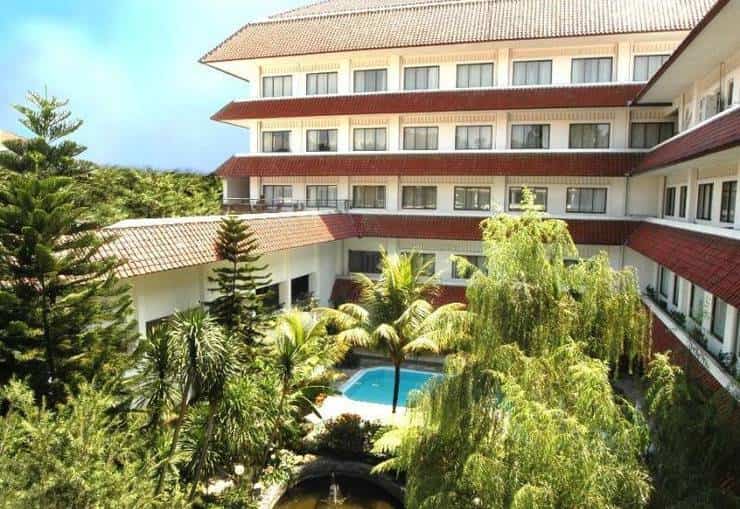
Hotel Salak The Heritage is fundamentally defined by its distinctive Dutch colonial architecture, a design philosophy that prioritized high ceilings, expansive windows, thick masonry, and symmetrical facades to cope with the tropical climate before the advent of modern air conditioning. The property currently operates as a comprehensive four-star hospitality hub, boasting 140 well-appointed rooms and 16 versatile meeting rooms designed to accommodate corporate gatherings, weddings, and large conferences.
Despite undergoing various modern renovations to meet contemporary hospitality standards, the establishment has meticulously preserved its historical exterior and structural layout. The interior spaces successfully marry vintage aesthetics with modern luxury, featuring comprehensive amenities that cater to both leisure and business guests. The property’s prime location offers guests immediate proximity to several of Bogor’s most iconic attractions, including the sprawling Kebun Raya Bogor (Bogor Botanical Gardens) located just 710 meters away, the historic Istana Bogor (Bogor Presidential Palace) at a distance of 550 meters, the Museum Zoologi at 630 meters, and the Halimun Salak National Park located approximately 520 meters from the premises.
Chronology of a Century-Old Institution
The history of Hotel Salak The Heritage is deeply intertwined with the sociopolitical evolution of Indonesia. The chronology of the property can be traced through several distinct historical epochs:
The Dutch Colonial Genesis (1856): The property was originally established in 1856 under the name Bellevue-Dibbets Hotel. Commissioned and owned by the family of Governor-General Charles Ferdinand Pahud, who served as the Governor-General of the Dutch East Indies from 1856 to 1861, the hotel was initially constructed to serve as an exclusive lodging facility for high-ranking VOC officials, colonial administrators, and elite European travelers visiting the Buitenzorg (modern-day Bogor) botanical gardens and the Governor-General’s summer residence. During this period, the hotel symbolized the apex of colonial luxury and administrative convenience.
The Japanese Occupation and World War II (1942–1945): Following the outbreak of the Pacific War and the subsequent invasion of the Dutch East Indies by Imperial Japanese forces, the Bellevue-Dibbets Hotel, like many European-owned properties in the archipelago, was expropriated. Throughout World War II, the colonial-era hotel was repurposed by the Japanese military authorities to serve as a strategic command post and military headquarters. This era marked a dark yet significant chapter in the building’s structural lifespan, shifting its function from leisure and administration to wartime logistics.
Independence and Nationalization (1945–Present): Following Indonesia’s proclamation of independence in 1945 and the subsequent recognition of sovereignty in 1949, the property underwent significant transitions in ownership and management. Nationalized and renamed Hotel Salak, the establishment shed its exclusively colonial identity to become a premier public accommodation for domestic and international visitors. Over the subsequent decades, the hotel underwent multiple modernizations, expansions, and rebrandings, eventually adopting the moniker Hotel Salak The Heritage to honor its historical roots while signaling its evolution into a modern heritage hotel.
Comprehensive Amenities and Guest Services
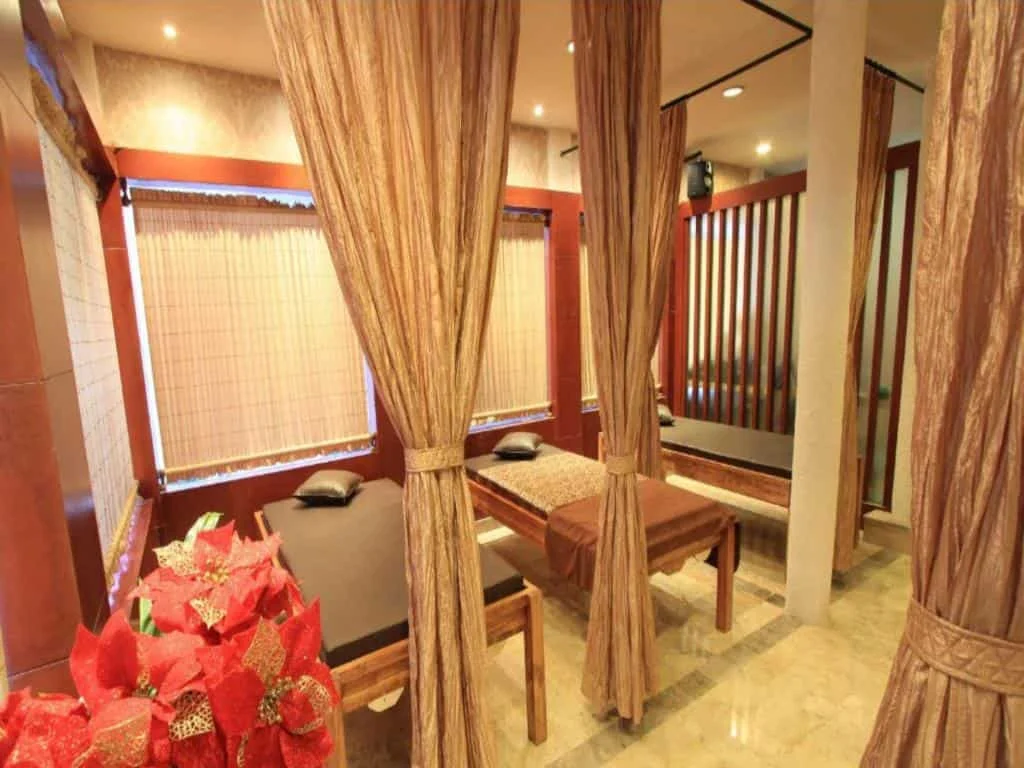
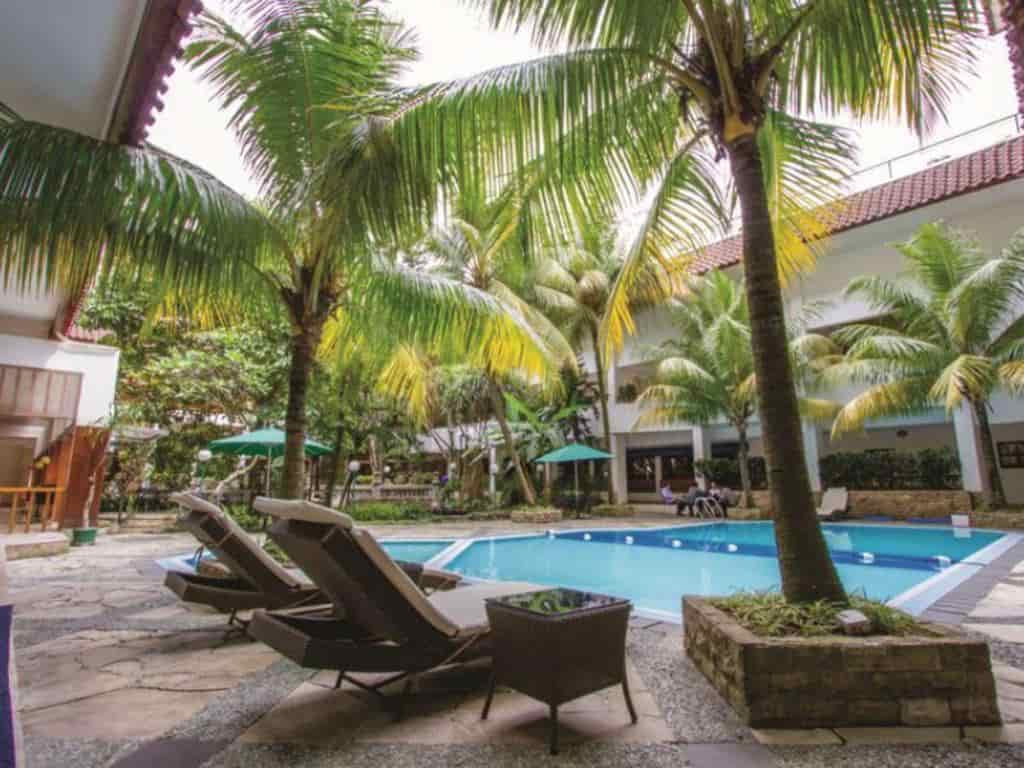
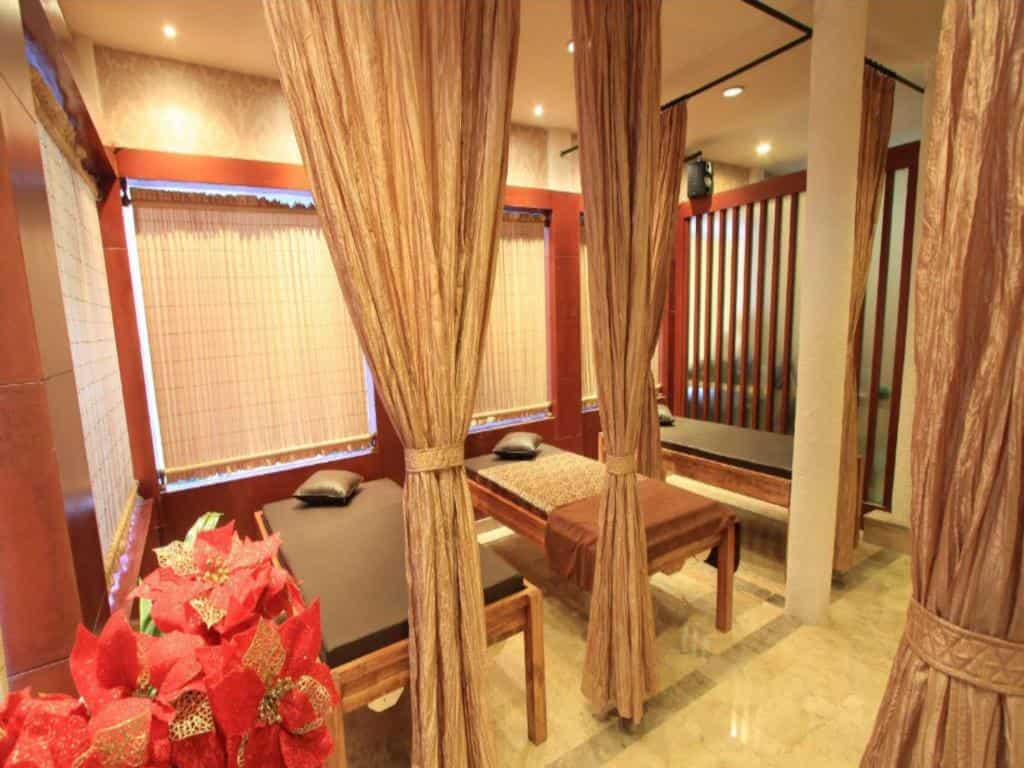
Designed to meet the diverse demands of contemporary travelers, Hotel Salak The Heritage offers an extensive array of facilities that bridge the gap between historical charm and modern convenience. The recreational and wellness infrastructure includes a fully equipped fitness center, a specialized spa offering traditional Indonesian treatments, an outdoor swimming pool, a dedicated library, karaoke facilities, and billiards tables.
For dining and culinary exploration, the property houses multiple establishments, including a formal restaurant, a sophisticated bar, and a traditional coffee house that serves both local Indonesian specialties and international cuisine. To enhance guest convenience, the hotel provides 24-hour front desk service, comprehensive luggage storage, high-speed Wi-Fi connectivity across all public and private spaces, and an optional airport shuttle service available for an incremental fee. Room rates generally start at approximately Rp 509,171 per night, depending on the season and booking platform, making it an accessible luxury option in the region.
International Recognition and Diplomatic Significance
Throughout its long operational history, Hotel Salak The Heritage has hosted numerous dignitaries, political figures, and international delegations. One of the most notable milestones in its modern history occurred in 2006, when the hotel received the prestigious Certificate of Appreciation from the White House Communications Agency. This commendation was awarded in recognition of the exceptional security, hospitality, and operational excellence provided by the hotel staff during the official state visit of United States President George W. Bush to Indonesia.
The successful hosting of a sitting U.S. President underscored the property’s capability to manage high-level international security protocols while maintaining the personalized, high-class service standards expected of a heritage establishment. Industry experts note that such international accolades significantly elevated the hotel’s global profile, positioning it not merely as a regional destination in West Java, but as an internationally recognized venue capable of supporting high-stakes diplomatic engagements.
Broader Impact and Implications for Heritage Tourism
The enduring presence of Hotel Salak The Heritage holds broader implications for the development of heritage tourism in Indonesia. As urban centers across the country undergo rapid modernization and commercial redevelopment, historical properties face severe pressures of demolition or commercial homogenization. By maintaining its architectural integrity while successfully pivoting into a commercially viable hospitality business, Hotel Salak serves as a case study in adaptive reuse.
Urban planners and tourism economists point out that properties like Hotel Salak play a critical role in urban placemaking. By anchoring the historic district of Bogor alongside the Presidential Palace and the Botanical Gardens, the hotel helps preserve the narrative of the city’s colonial past while contributing to the local economy through employment generation and tourism revenue. Analysts suggest that the preservation of such heritage assets enhances the cultural value of the destination, attracting tourists interested in historical education and authentic cultural experiences rather than generic resort stays.
Conclusion
Hotel Salak The Heritage remains a cornerstone of Bogor’s cultural and architectural landscape. From its origins as an elite retreat for Dutch colonial administrators in 1856 to its current status as an internationally recognized four-star heritage hotel, the institution has successfully navigated nearly 170 years of sociopolitical transformation. Through continuous adaptation, commitment to high service standards, and the preservation of its historical identity, Hotel Salak secures its place not only as a preferred accommodation for travelers exploring the mountainous beauty of West Java, but as an enduring symbol of Indonesia’s multifaceted historical narrative.