Chiang Rai stands as a serene alternative to the bustling metropolises of Bangkok and the increasingly commercialized hubs of Chiang Mai, offering a sophisticated blend of Lanna heritage, contemporary artistic expression, and pristine mountainous landscapes. Located in the northernmost province of Thailand, bordering both Myanmar and Laos within the region historically known as the Golden Triangle, the city has evolved from a quiet provincial capital into a curated destination for travelers seeking depth over volume. Recent initiatives by local tourism authorities and hospitality leaders, including collaborations with regional carriers such as Scoot and international hotel brands like the Curio Collection by Hilton, have highlighted the city’s potential as a cultural gateway.
The Evolution of Chiang Rai as a Cultural Hub
Historically, Chiang Rai served as the first capital of the Mangrai Dynasty, established in 1262 by King Mangrai the Great. This historical lineage is deeply embedded in the city’s architectural DNA and social fabric. Unlike the urban sprawl found in southern Thailand, Chiang Rai’s development has been characterized by a deliberate focus on preserving traditional aesthetics while fostering a vibrant community of local artisans.
In recent years, the provincial government has invested heavily in infrastructure projects designed to promote "slow tourism." This strategy shifts the focus away from mass-market sightseeing toward immersive experiences. By encouraging visitors to engage with local ceramic studios, traditional textile workshops, and culinary heritage centers, the city has successfully carved out a niche as a sanctuary for those interested in the authentic Lanna lifestyle.
Architectural Marvels and Artistic Landmarks
Chiang Rai is globally recognized for its unconventional approach to sacred architecture. The city’s landscape is punctuated by structures that challenge traditional temple design. The most iconic of these is Wat Rong Khun, or the White Temple, designed by artist Chalermchai Kositpipat. Unlike traditional temples which utilize gold and warm tones, the White Temple employs a monochromatic aesthetic, using plaster and glass mirrors to symbolize purity and the wisdom of the Buddha.
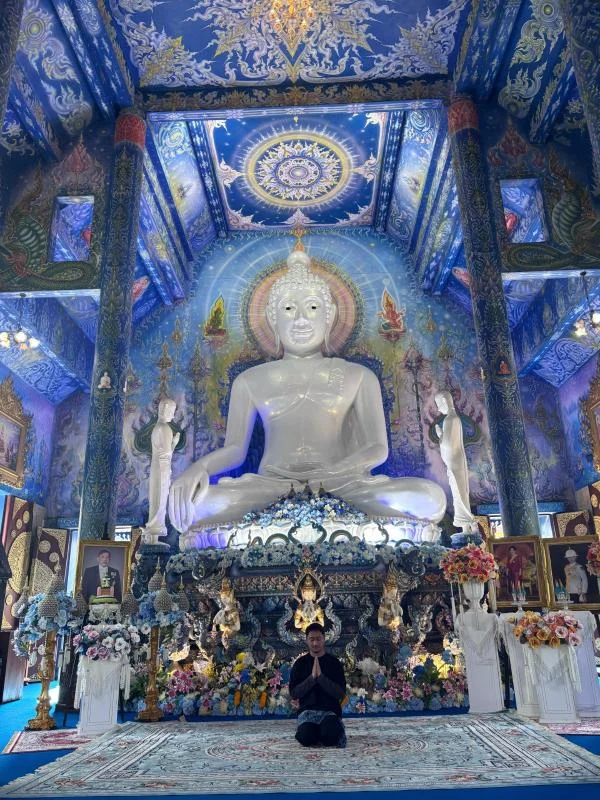
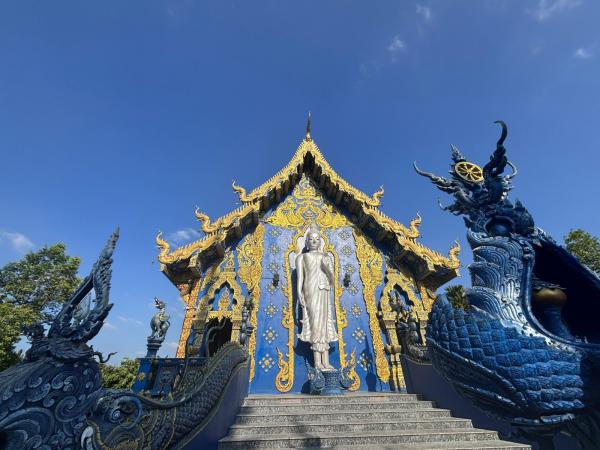
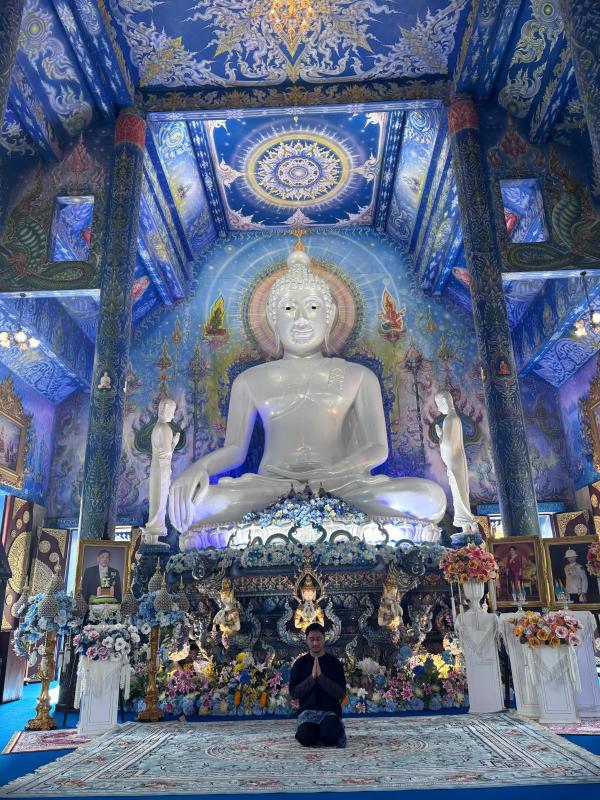
Complementing this is the Wat Rong Suea Ten, or the Blue Temple. Known for its vivid indigo hues and intricate carvings, the Blue Temple represents a shift toward modern Buddhist art. These sites are not merely tourist attractions; they are active religious centers that facilitate the preservation of traditional craftsmanship. The influence of these landmarks extends to the local creative scene, where younger generations of painters and sculptors draw inspiration from the synthesis of ancient religious motifs and avant-garde techniques.

Culinary Heritage: A Reflection of Geography
The culinary identity of Chiang Rai is a direct consequence of its geography and history. Situated at the confluence of diverse cultural influences, the local cuisine—often referred to as Northern Thai or Lanna food—prioritizes fresh, organic ingredients sourced from the surrounding hills.
A defining feature of the local dining experience, exemplified by establishments like Kahavadi, is the emphasis on indigenous produce. Dishes such as Khao Soi (curried noodle soup) and Sai Oua (northern Thai sausage) serve as staples that reflect the agricultural productivity of the region. Culinary experts note that the flavor profile of Chiang Rai’s cuisine—which relies on aromatic herbs, specific chili pastes, and minimal oil—is distinct from the bolder, spice-forward profiles of central and southern Thailand. The integration of high-end hospitality with local culinary practices has created a platform for traditional recipes to be presented to an international audience without compromising their cultural integrity.
Economic and Tourism Implications
Data from the Thai Ministry of Tourism and Sports indicates that the northern region has seen a steady increase in international visitors who prefer multi-day stays over quick excursions. The shift in tourism patterns has significant economic implications for the province. By promoting Chiang Rai as a destination for art and cultural tourism, the local government has stimulated growth in the creative economy.

The presence of international hotel brands, such as the Curio Collection by Hilton, signals an increase in investor confidence in the region’s long-term sustainability. These partnerships provide the necessary infrastructure to handle an influx of sophisticated travelers while ensuring that local environmental standards are upheld. Furthermore, the reliance on regional connectivity, facilitated by airlines such as Scoot, has reduced the logistical barriers to entry, making the northern province more accessible to travelers from across the Asia-Pacific region.
The Role of Physical Wellness and Local Traditions
Beyond art and architecture, Chiang Rai has effectively branded itself as a destination for holistic well-being. The incorporation of Muay Thai—the national combat sport of Thailand—into the landscape of urban parks and resorts is a testament to the city’s effort to blend physical activity with cultural immersion.
In Chiang Rai, Muay Thai is often presented as a form of "moving meditation" rather than just a competitive sport. By holding training sessions in lush, open-air environments, instructors emphasize the discipline, history, and spiritual aspects of the martial art. This approach aligns with broader global trends in wellness tourism, where travelers seek experiences that benefit both the mind and the body, grounded in the cultural heritage of the host country.
Challenges and Future Outlook
Despite the growth, the development of Chiang Rai faces challenges. Maintaining the balance between expanding tourism and preserving the quiet, communal atmosphere that defines the city is a priority for local authorities. Rapid commercialization poses a risk to the very authenticity that attracts visitors.
Local planners have responded by implementing zoning laws that protect heritage districts and by supporting community-led tourism cooperatives. These initiatives ensure that the revenue generated by tourism is distributed equitably among the local population, rather than being concentrated in the hands of large corporate entities. Analysts suggest that if these safeguards remain effective, Chiang Rai is well-positioned to serve as a model for sustainable tourism in Southeast Asia.
Conclusion
Chiang Rai is a testament to the power of cultural resilience. By prioritizing its historical identity and fostering a creative environment, the city has successfully differentiated itself from the more aggressive tourism models of other Thai provinces. From the ethereal beauty of its Blue and White temples to the quiet dignity of its ceramic studios and the depth of its culinary offerings, the city provides a profound look at the enduring spirit of Northern Thailand. As the region continues to develop, the focus on authentic engagement—where the visitor is an observer of a living, breathing tradition rather than a passive consumer—remains the hallmark of the Chiang Rai experience. For the discerning traveler, the city offers more than just a destination; it offers a narrative of history, creativity, and community that is becoming increasingly rare in the modern world.