The atmosphere at the GBK Arena in Senayan, Jakarta, was marked by a sense of urgency and procedural formality this past Friday, November 27, 2026. Michael Sianipar, the embattled Chairman of the Indonesian Futsal Federation (FFI), arrived at the headquarters of the Football Association of Indonesia (PSSI) to attend a scheduled hearing with the PSSI Ethics Committee. His arrival signaled a significant escalation in the ongoing governance crisis that has gripped the national futsal body, a development that could have long-term ramifications for the sport’s administration in Indonesia.
The hearing, which lasted approximately two hours, served as a critical juncture for Sianipar, who is currently fighting his recent impeachment from the top post at the FFI. For observers of Indonesian sports governance, the proceedings at the GBK Arena are more than just a bureaucratic formality; they represent a high-stakes clash over authority, regulatory compliance, and the future direction of futsal in a country where the sport enjoys immense popularity and a burgeoning professional league.
A Chronology of the FFI Governance Crisis
The roots of the current friction between the FFI and PSSI trace back several months. Following a series of internal disputes and allegations regarding administrative irregularities, the relationship between the federation’s leadership and the national football governing body began to deteriorate. The situation reached a breaking point when the PSSI, citing its constitutional oversight powers, moved to intervene in the internal affairs of the FFI, eventually leading to the removal of Michael Sianipar from his position.
Sianipar, who has maintained that his tenure was governed by democratic principles and the statutes of the federation, officially challenged the impeachment. By filing a formal complaint with the PSSI Ethics Committee, Sianipar sought to leverage the organization’s internal judicial mechanisms to contest the legality of his removal. The events of November 27 represent the first major step in this legalistic inquiry, as the committee began its formal fact-finding mission by summoning the primary complainant.
The Two-Hour Inquiry: Seeking Clarity
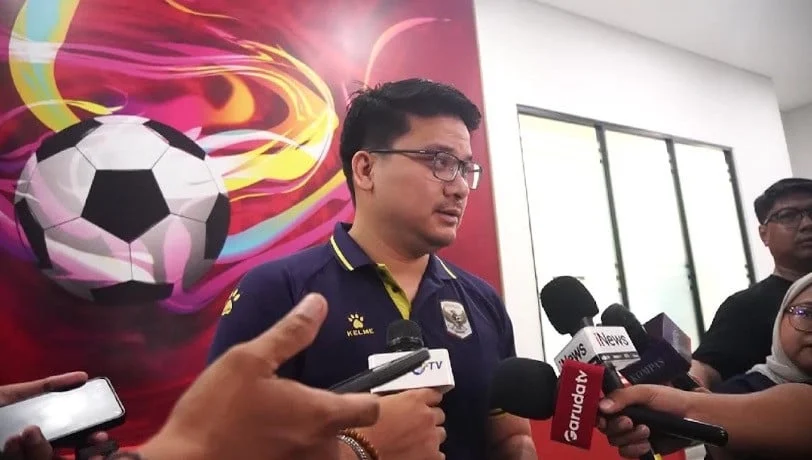
Arriving at the GBK Arena at 4:00 PM, Sianipar spent two hours inside the committee chambers. Emerging at 6:00 PM, he addressed a small group of journalists, maintaining a measured and professional tone. Despite the gravity of the situation, he expressed gratitude toward the Ethics Committee for their prompt response to his filing.
"I am here today to fulfill the summons from the PSSI Ethics Committee regarding the report I submitted," Sianipar stated. "I am grateful that the committee has responded and is taking the necessary steps to investigate. As the complainant, I am naturally the first to be interviewed. The process is now underway, and I trust that it will be handled with the professionalism that this situation demands."
While Sianipar declined to disclose the specific nature of the questions posed by the committee—citing the confidentiality required during an ongoing ethical inquiry—he acknowledged that the session was substantive and covered a wide range of issues related to the FFI’s internal management. The committee’s decision to delve into these details suggests that the inquiry is not merely procedural but aims to dissect the core of the governance dispute.
The Role of the PSSI Ethics Committee
The PSSI Ethics Committee serves as the internal judicial organ tasked with upholding the organization’s code of ethics and disciplinary regulations. Its mandate is to ensure that all affiliated bodies, including the FFI, adhere to the statutes set forth by PSSI and, by extension, international standards defined by FIFA.
In cases involving the removal of an elected official, the committee must determine if the due process was followed, if there were conflicts of interest, and whether the statutes of the federation were interpreted correctly. The committee’s findings will be pivotal. Should they rule in favor of Sianipar, it could invalidate his impeachment, forcing a complex administrative reversal. Conversely, a ruling that validates the PSSI’s actions would effectively end Sianipar’s tenure and likely trigger a new election cycle for the FFI leadership.
Contextualizing Futsal in Indonesia
To understand the weight of this crisis, one must consider the status of futsal within the Indonesian sports ecosystem. With the Pro Futsal League (PFL) drawing thousands of viewers and a national team that is increasingly competitive on the Southeast Asian stage, the administrative stability of the FFI is paramount.
Data from the past three years shows that futsal participation in Indonesia has seen an annual growth rate of approximately 12 percent, largely driven by urban youth demographics. The federation is responsible for managing not only the professional league but also the development of grass-roots programs, coaching certification, and national team logistics. Political instability within the federation often leads to a "trickle-down" effect, causing delays in funding, uncertainty for club sponsors, and potential disruptions to the national team’s preparation for international tournaments such as the AFF Futsal Championship or the FIFA Futsal World Cup qualifiers.
Industry analysts suggest that the instability has already caused a degree of hesitation among commercial partners. "Sponsorship for sports in Indonesia is heavily reliant on long-term stability and a clear vision for the sport," says an industry consultant who requested anonymity. "When there is a leadership crisis, stakeholders pause their investments. The sooner the Ethics Committee provides a clear resolution, the better it is for the sport’s financial health."
Broader Implications and Future Outlook
The outcome of the current proceedings will reverberate throughout the Indonesian sports community. There are three potential scenarios following the Ethics Committee’s report:
- Reinstatement: The committee finds procedural errors in the impeachment, leading to the reinstatement of Sianipar. This would require a significant effort to reconcile the fractured relationships between the FFI and PSSI.
- Upholding the Impeachment: The committee concludes that the removal was justified under the statutes. This would lead to a formal transition of power and the appointment of an interim leadership, followed by an extraordinary congress to elect a new chairman.
- Institutional Reform: Regardless of the immediate outcome, the crisis may serve as a catalyst for deeper constitutional reforms within the FFI to prevent similar power struggles in the future. This could include clearer definitions of the PSSI’s oversight powers versus the autonomy of the FFI.
The professional response of both Michael Sianipar and the PSSI Ethics Committee suggests a commitment to resolving the crisis within the established regulatory framework. By choosing to submit his grievance to the internal committee rather than seeking redress in civil courts—which is often discouraged by international sporting bodies to maintain organizational autonomy—Sianipar is signaling his intent to keep the dispute within the "football family."
As the investigation continues, all eyes will be on the next steps taken by the committee. The process is expected to include further interviews with other key figures within the FFI and potentially senior PSSI officials who were involved in the decision-making process regarding the impeachment.
For now, the futsal community remains in a state of watchful waiting. The demand for "justice, truth, and answers," as articulated by Sianipar, reflects the expectations of fans, players, and clubs alike. The resolution of this crisis will ultimately serve as a litmus test for the effectiveness and independence of PSSI’s internal governance mechanisms. As the committee deliberates, the urgency of restoring normalcy to the FFI administration remains the primary objective, ensuring that the sport continues its upward trajectory in the country.
The coming weeks will be critical. The committee’s report, when finally presented to the PSSI Executive Committee, will not only decide the fate of one individual but will also set the tone for the next chapter of professional futsal governance in Indonesia. For Michael Sianipar, the two-hour session at the GBK Arena is only the beginning of a process to vindicate his leadership and clarify the procedural integrity of his federation, a quest that remains closely linked to the broader health of Indonesian sports.