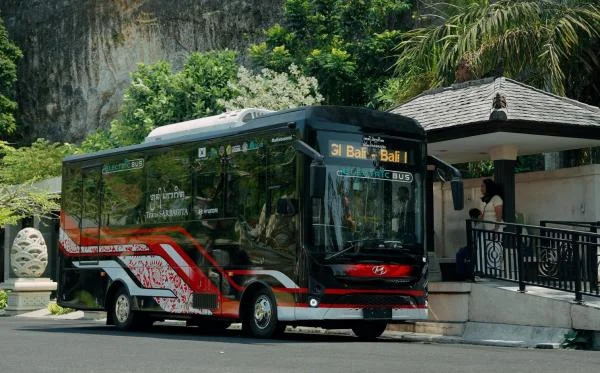
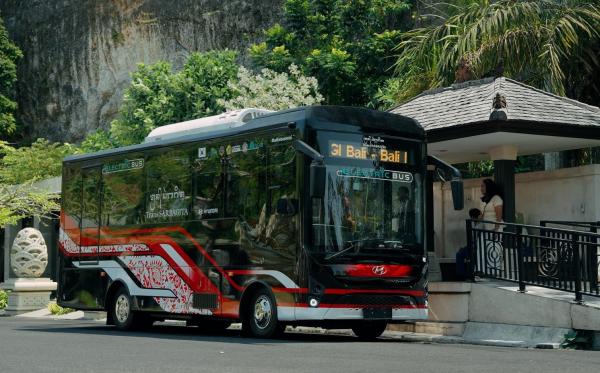
The formal introduction of 11 electric buses in Bali marks a significant milestone in Indonesia’s ongoing transition toward sustainable public infrastructure. Hyundai Motor Company, in a strategic partnership with local automotive body manufacturer Laksana, has deployed the County EV model to serve the Bali E-Mobility program. This initiative represents more than just a fleet upgrade; it is a calculated effort to align Bali’s tourism-heavy transport network with global decarbonization goals, leveraging cutting-edge Korean engineering adapted to the specific operational demands of the Indonesian archipelago.
Technical Specifications and Engineering Collaboration
The County EV is a medium-sized electric bus, measuring approximately eight meters in length, designed to address the unique logistical challenges of urban and regional transport in Bali. Under the hood, the vehicle is powered by a high-capacity 128 kWh battery pack. This energy density allows for a range exceeding 200 kilometers on a single full charge, a figure that is crucial for public transport operators who require reliability and consistency throughout the workday.
The project is characterized by a synergistic manufacturing model. Hyundai Motor provides the core electric platform—the chassis, motor, and drivetrain—which serves as the backbone of the vehicle. Laksana, an established Indonesian karoseri (bodywork) leader, manages the design, assembly, and interior outfitting of the bus. By combining Hyundai’s proprietary battery and powertrain technology with Laksana’s local production expertise, the project fosters a transfer of knowledge and promotes the growth of the domestic electric vehicle (EV) supply chain. Each bus is configured to accommodate 20 passengers, offering a balance between space efficiency and passenger comfort.
The Strategic Context of the Bali E-Mobility Program
The decision to launch this fleet in Bali is rooted in the island’s status as Indonesia’s premier tourism destination. With the Indonesian government aiming to reach net-zero emissions by 2060, the transportation sector—a significant contributor to carbon output—has become a primary focus for reform. Bali, given its high density of tourist vehicles and public shuttle services, serves as an ideal "living lab" for the adoption of electric public transit.
The deployment of these 11 units follows a broader timeline of government-led initiatives aimed at electrification. Since the G20 Summit in Bali in 2022, where electric vehicles were prominently featured as part of the official diplomatic fleet, the provincial government has been actively courting manufacturers to provide sustainable alternatives to traditional combustion-engine buses. The partnership between Hyundai and Laksana is a direct evolution of these early pilot programs, shifting from showcase vehicles to functional, daily-use public transportation.
Ensuring Long-Term Reliability: The Field Quality Assurance Program
A common hurdle in the adoption of electric buses in developing markets is the uncertainty regarding maintenance and technical longevity. To mitigate these concerns, Hyundai Motor has implemented an EV Bus Field Quality Assurance Program. This initiative involves the establishment of a specialized monitoring center dedicated to tracking the operational health of the fleet.
Data collected from the buses—including battery health, motor performance, and charging cycles—will be monitored in real-time. This proactive approach to maintenance allows for predictive servicing, where engineers can identify potential mechanical issues before they lead to vehicle downtime. This level of technical oversight is essential for building public trust in electric transit, ensuring that the transition does not compromise the reliability expected by commuters and transit authorities.

The Socio-Economic Impact of Electrification
The transition to electric buses in Bali carries significant implications for the local economy and public health. Air quality in high-traffic corridors is a growing concern, and the elimination of tailpipe emissions from a segment of the public transit fleet will contribute to cleaner air in tourism hubs. Furthermore, the shift to electricity allows operators to hedge against the volatility of fossil fuel prices. While the initial capital expenditure for electric buses remains higher than that of diesel equivalents, the lower operational and maintenance costs over the vehicle’s lifecycle provide a compelling financial case for long-term adoption.
From a policy perspective, this collaboration demonstrates the Indonesian government’s commitment to creating a favorable ecosystem for foreign investment. By requiring that the bodywork be handled by a local firm like Laksana, the government ensures that the transition to EVs also translates into job creation and technical skill development for the local workforce. This localized production model is likely to serve as a blueprint for future infrastructure projects in other major Indonesian cities, such as Jakarta, Surabaya, and the new national capital, Nusantara.
Challenges and Future Outlook
Despite the progress, the widespread adoption of electric buses faces structural challenges. The primary obstacle remains the expansion of charging infrastructure. While the current 11-unit fleet can be serviced by centralized charging depots, scaling up to hundreds or thousands of buses will require a robust, distributed network of fast-charging stations across the island. Additionally, the integration of these buses into the existing public transport management system requires updated digital infrastructure for ticketing and route scheduling.
Industry analysts suggest that the success of this pilot will determine the speed at which the Indonesian government mandates the electrification of the country’s broader public bus fleets. If the County EV fleet proves to be durable under the tropical climate and varying road conditions of Bali, it will likely pave the way for a more aggressive procurement schedule by public transit authorities in 2027 and beyond.

Comparative Analysis: EV vs. Conventional Transit
To understand the scale of this shift, one must consider the operational footprint of a standard 20-seat diesel bus. Traditional combustion engines require frequent oil changes, transmission servicing, and are susceptible to mechanical wear exacerbated by the stop-and-go traffic common in tourist-heavy areas. The Hyundai County EV, with fewer moving parts in its electric powertrain, offers a significantly reduced service schedule.
Furthermore, the 128 kWh battery configuration is optimized for the specific topography of Bali. By analyzing the driving patterns of typical shuttle routes, engineers have calibrated the regenerative braking systems to maximize efficiency, allowing the buses to recover energy during the frequent deceleration required in urban traffic. This focus on efficiency is a critical differentiator that separates these purpose-built electric buses from earlier, less-refined conversion attempts.
Conclusion: A Stepping Stone for Regional Connectivity
The deployment of these 11 electric buses is a pivotal moment for Indonesia’s public transport sector. By focusing on the integration of high-quality international technology with domestic manufacturing capacity, the collaboration between Hyundai and Laksana creates a sustainable model that addresses environmental concerns while fostering local industrial development.
As the program moves into its operational phase, the emphasis will shift from technical implementation to performance evaluation. The data gathered from the EV Bus Field Quality Assurance Program will be invaluable, providing a roadmap for future electrification efforts. If the current trajectory holds, these 11 buses will be remembered not merely as an addition to the fleet, but as the vanguard of a broader transformation in how public mobility is delivered across the Indonesian archipelago. The focus on sustainability, coupled with a commitment to long-term maintenance and technical oversight, positions this project as a benchmark for emerging economies looking to modernize their infrastructure in the face of climate change. As stakeholders continue to monitor the performance of the County EV, the focus remains clear: the future of public transportation in Bali is not only electric but increasingly locally driven and technologically integrated.