
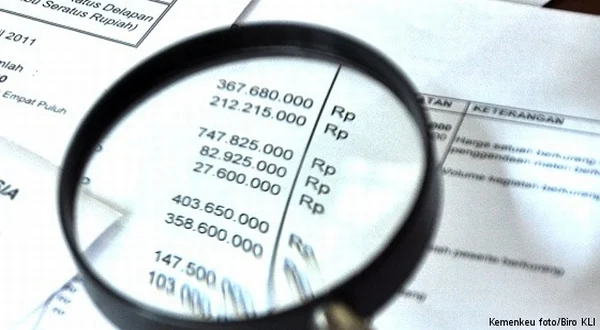
In a formal plenary session held at the Nusantara II Building in Senayan, Jakarta, on Tuesday, June 24, 2014, the Government of Indonesia, represented by Minister of Finance Chatib Basri, officially presented the Bill (RUU) regarding the Accountability for the Implementation of the 2013 State Budget (APBN). The session served as a critical juncture for the administration to explain the fiscal performance of the previous year, which was marked by significant global economic volatility and internal structural adjustments. Central to the presentation was the disclosure of the Audit Board of Indonesia’s (BPK) assessment of the 2013 Central Government Financial Report (LKPP), which received a "Qualified Opinion" (Wajar Dengan Pengecualian or WDP).
Minister Chatib Basri detailed the specific accounting discrepancies that prevented the government from achieving an "Unqualified Opinion" (Wajar Tanpa Pengecualian or WTP), the highest audit standard. According to the Minister, the BPK’s decision to grant a WDP status was rooted in four primary systemic issues: problems related to over-lifting receivables in the oil and gas sector, oil and gas sales receivables, the management of credit assets inherited from the former Indonesian Bank Restructuring Agency (BPPN), and the administration of pension fund expenditures. These issues, some of which are legacy problems spanning several years, continue to complicate the accuracy and transparency of the state’s balance sheet.
The Technical Drivers of the Qualified Audit Opinion
The "Qualified Opinion" status indicates that while the financial statements are generally presented fairly, there are specific areas where the auditor could not obtain sufficient evidence or where misstatements exist that are material but not pervasive. Minister Basri emphasized that the government is working to resolve these sticking points, which have historically been difficult to reconcile.
The first major hurdle involves "over-lifting" receivables. In the context of Indonesia’s Production Sharing Contracts (PSC), over-lifting occurs when a contractor takes more than its allocated share of oil or gas production. Reconciling these amounts between the government, the upstream regulator (SKK Migas), and various international oil companies often results in protracted accounting delays. Similarly, oil and gas sales receivables—monies owed to the state from the sale of hydrocarbons—have faced valuation and timing issues that the BPK found unsatisfactory for a clean audit.
Furthermore, the government continues to grapple with the liquidation of assets from the Indonesian Bank Restructuring Agency (BPPN), an entity established during the 1997-1998 Asian Financial Crisis to manage distressed bank assets. More than fifteen years later, the valuation and documentation of these residual credit assets remain a point of contention for auditors. Finally, the accounting for pension fund expenditures, which involves complex long-term liabilities and inter-departmental data synchronization, was cited as the fourth pillar of the BPK’s audit exception.
Macroeconomic Headwinds: The "Taper Tantrum" and Global Shifts
Beyond the technicalities of the audit, Minister Basri used the plenary session to provide a broader context for the 2013 fiscal year. He noted that the implementation of the 2013 APBN was conducted under extreme duress from both external and internal factors. The most significant external pressure was the global market volatility triggered by the United States Federal Reserve.
In May 2013, then-Fed Chairman Ben Bernanke hinted at a reduction, or "tapering," of the central bank’s massive bond-buying program. This announcement sparked what economists call the "Taper Tantrum," leading to a massive outflow of capital from emerging markets like Indonesia. Investors, fearing higher interest rates in the U.S., pulled funds out of Indonesian stocks and bonds, putting immediate and severe pressure on the Rupiah.
This external shock was compounded by a slowdown in the global economy, particularly in China, which led to a decline in international commodity prices. As a commodity-exporting nation, Indonesia saw its export revenues dwindle, further straining the state budget and the national trade balance.
Internal Economic Pressures and the Current Account Deficit
Domestically, the Indonesian economy faced a "perfect storm" in 2013. The most pressing issue was the widening Current Account Deficit (CAD). Due to high domestic demand for imported fuel and the aforementioned drop in export prices, the CAD reached a record high of approximately 4.4% of GDP in the second quarter of 2013. This deficit made the Rupiah particularly vulnerable to the negative sentiment following the Fed’s tapering signals.
The Rupiah, which began 2013 at approximately 9,600 per U.S. Dollar, plummeted to over 12,000 per USD by the end of the year. This depreciation increased the cost of imports and raised the burden of servicing foreign-denominated debt, both for the government and the private sector.
Minister Basri explained that these dynamics forced the government to adjust its macroeconomic assumptions mid-year. "The internal and external dynamics certainly had an impact on the changes in basic macroeconomic assumptions, which ultimately influenced the implementation and achievement of the 2013 APBN targets," he stated before the lawmakers.
Government Policy Responses and Stabilization Efforts
To mitigate the impact of these shocks, the government implemented a series of "Pre-emptive Moves" and stabilization policies throughout the second half of 2013. One of the most significant and politically sensitive measures was the adjustment of subsidized fuel (BBM) prices in June 2013. By raising fuel prices, the government sought to curb excessive consumption, reduce the ballooning energy subsidy bill, and narrow the trade deficit caused by oil imports.
In addition to fiscal measures, the government worked closely with Bank Indonesia (BI) to stabilize the financial system. The central bank aggressively raised its benchmark interest rate (the BI Rate) from 5.75% in May 2013 to 7.50% by November 2013 to combat inflation and stem capital outflows.
"The government has also strived to take several steps in order to stabilize the national economic condition," Basri noted. These steps included strengthening the current account through tax incentives for export-oriented industries, simplifying the investment licensing process to attract Foreign Direct Investment (FDI), and maintaining fiscal discipline to keep the budget deficit within the legally mandated limit of 3% of GDP.
Chronology of the 2013 Fiscal Year
The 2013 fiscal journey began with the original APBN 2013, which was designed under more optimistic global conditions. However, by mid-2013, the government was forced to propose a Revised State Budget (APBN-P 2013) to account for the Rupiah’s depreciation and the rising cost of subsidies.
- January – May 2013: The economy showed signs of resilience, though the trade balance began to weaken as commodity prices softened.
- May 22, 2013: Ben Bernanke’s "tapering" comments triggered immediate capital flight from the Jakarta Composite Index (IHSG) and the bond market.
- June 2013: The government and DPR approved the APBN-P 2013, which included a hike in subsidized fuel prices (gasoline from Rp4,500 to Rp6,500 and diesel from Rp4,500 to Rp5,500).
- August 2013: The government launched its "First Policy Package" to address the CAD and inflation, which had spiked to over 8% following the fuel price adjustment.
- December 2013: The fiscal year closed with a budget deficit of approximately 2.3% of GDP, higher than the original target but within safe legal limits.
The presentation on June 24, 2014, represented the final step in this cycle: the formal reporting of how every Rupiah was spent and accounted for during that turbulent period.
Reactions and Implications for Governance
The BPK’s WDP opinion serves as a reminder of the persistent challenges in Indonesian bureaucratic reform. While the government has made strides—moving away from "Disclaimer" opinions (where auditors refuse to give an opinion) that were common in the early 2000s—achieving a consistent "Clean" (WTP) status remains elusive for the central government.
Legislators at the DPR expressed mixed reactions to the report. While some acknowledged the extraordinary global circumstances of 2013, others criticized the government for the recurring nature of the audit findings. Members of the Budget Committee (Banggar) emphasized that "legacy issues" like the BPPN assets and oil and gas receivables should have been resolved years ago. They argued that the lack of a clean audit could affect Indonesia’s investment grade and the cost of borrowing on international markets.
Financial analysts suggest that while a WDP status is not a "fail" grade, it highlights a need for better integration of financial data between the Ministry of Finance and other technical ministries (Kementerian/Lembaga). The transition to accrual-based accounting, which was being phased in during this period, was also cited as a factor that added complexity to the 2013 reporting cycle.
Conclusion and Future Outlook
Minister Chatib Basri’s presentation of the RUU P2 APBN 2013 concluded with a commitment to further transparency. He noted that despite the "Qualified" status, the government successfully navigated one of the most volatile economic periods in recent history without a systemic financial crisis. The 2013 fiscal year proved to be a test of Indonesia’s resilience, demonstrating that while the accounting "books" still require cleaning, the underlying economic foundations remained intact.
As the government moves forward, the focus remains on resolving the four specific areas of concern identified by the BPK. Improving the management of state-owned assets and refining the synchronization of oil and gas revenue data are high on the agenda. For the administration, the 2013 report is not just a look back at a difficult year, but a roadmap for the fiscal reforms necessary to achieve the elusive Unqualified Opinion in the years to come. The plenary session ended with the DPR agreeing to further discuss the bill in the relevant commissions, ensuring that the accountability process continues through the legislative gauntlet.
