
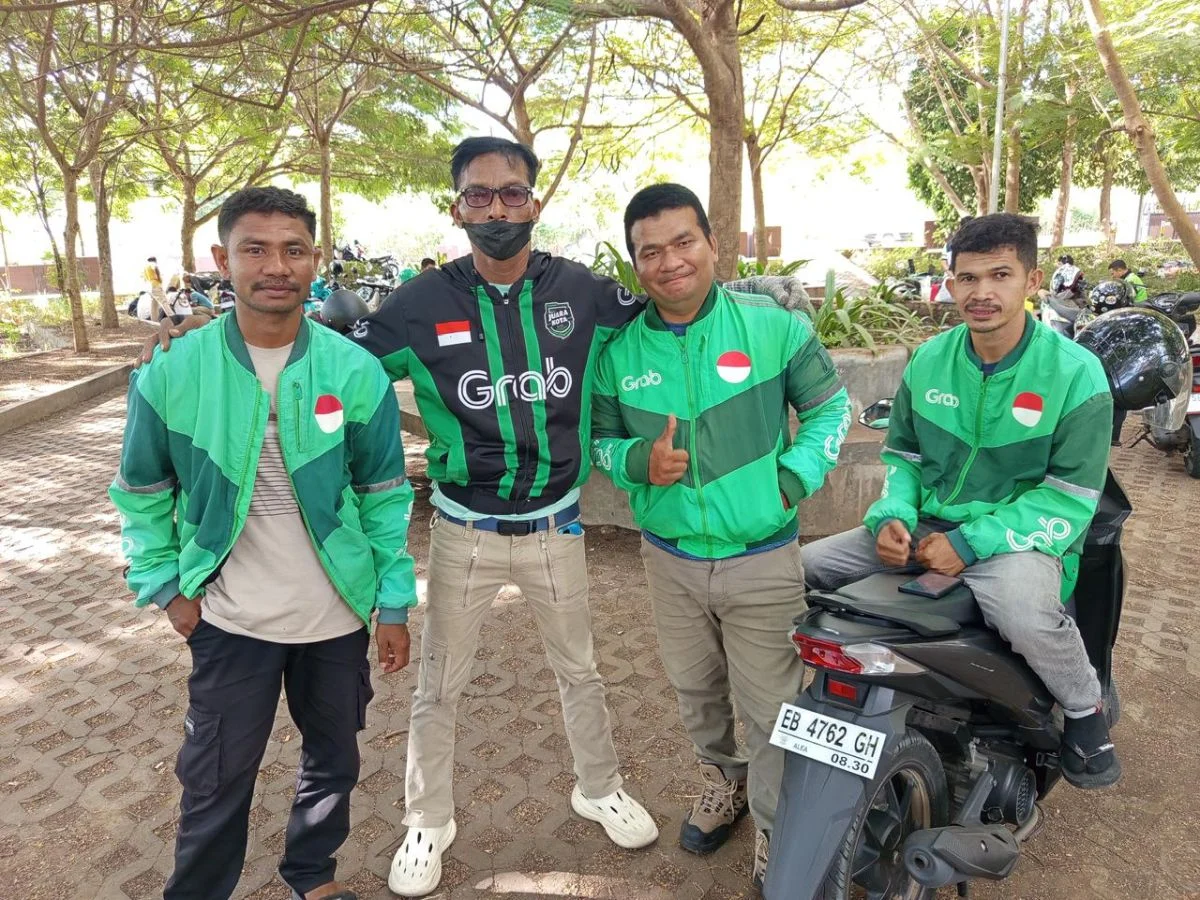
An alleged assault on an online motorcycle taxi (Ojol) driver, Donatus Darso, in the vicinity of Komodo International Airport, Manggarai Barat, East Nusa Tenggara (NTT), on Monday, April 13, 2026, has prompted a police investigation and raised concerns about the safety of gig economy workers in burgeoning tourist destinations. Darso, a driver serving the Labuan Bajo area, reported the incident to the Manggarai Barat Police, expressing profound trauma and a temporary inability to resume his work. He seeks a thorough and just legal process to hold the perpetrators accountable.
The incident, which Darso described as a traumatic experience leaving him unable to work for two days, underscores the simmering tensions that can arise between modern ride-hailing services and traditional local transportation providers, particularly in areas experiencing rapid tourism growth. His plea for justice, "Trauma. Sudah dua hari tidak kerja. (Berharap) proses hukum dan diusut sampai tuntas," (Traumatized. Haven’t worked for two days. [Hoping for] a full legal process and investigation) highlights the personal toll of such alleged acts of violence and the critical need for robust law enforcement.
Chronology of the Alleged Assault
According to Donatus Darso’s account, the incident began when he received a ride request via his Ojol application to pick up a female European tourist at Komodo Airport. This particular order, however, immediately entered a grey area of local transportation agreements. Darso explained that there was an informal understanding or consensus between Ojol drivers and local traditional tourism transport operators in Labuan Bajo, stipulating that Ojol drivers should not pick up passengers directly within the immediate airport area. This agreement, often born out of efforts to mitigate competition and maintain livelihood for established local drivers, creates a complex operational environment for ride-hailing services.
Adhering to this unofficial guideline, Darso communicated with his passenger, advising her that he would meet her at a location slightly removed from the airport’s main exit. He directed the tourist to a minimarket situated a considerable distance from the terminal gate. The passenger reportedly acknowledged and agreed to this arrangement, proceeding to the designated meeting point. It was upon his arrival at this pre-arranged alternative location, and presumably while waiting for or interacting with his passenger, that the alleged assault took place. While the initial report does not detail the exact nature of the confrontation or the number of assailants, Darso stated he was "assaulted by a group of people," suggesting a coordinated act rather than an isolated altercation. The swiftness and severity of the alleged attack left him shaken, leading to his subsequent report to the authorities.
Background Context: Labuan Bajo’s Tourism Boom and Transportation Dynamics
Labuan Bajo, once a quiet fishing town, has transformed into a vibrant tourist hub, primarily serving as the gateway to the Komodo National Park, a UNESCO World Heritage Site famous for its Komodo dragons and breathtaking marine biodiversity. Recognizing its immense potential, the Indonesian government has designated Labuan Bajo as one of its "Super Priority Tourism Destinations" (DPSP), pouring significant investment into infrastructure development, including the expansion of Komodo International Airport, improved road networks, and enhanced tourism facilities.
This rapid development has led to an exponential increase in tourist arrivals, both domestic and international. According to the Ministry of Tourism and Creative Economy, visitor numbers to Labuan Bajo have steadily climbed in the years leading up to 2026, with a projected annual growth rate of 15-20% for international tourists and even higher for domestic visitors. This influx of tourists, while boosting the local economy, has also intensified competition within the transportation sector. Traditional taxi services, local car rentals, and motorcycle taxi (ojek pangkalan) operators have long been the primary means of transport for visitors. The arrival and proliferation of online ride-hailing applications like those used by Donatus Darso disrupt this established ecosystem.
The core of the tension often revolves around pricing, convenience, and access to prime passenger locations, such as airports and major hotels. Online platforms offer competitive fares, transparent pricing, and ease of booking through smartphones, appealing to many modern travelers. However, this often comes at the perceived expense of traditional operators who may feel their livelihoods are threatened. Local agreements, like the one Donatus Darso mentioned regarding airport pickups, are frequently informal attempts by traditional transport groups to carve out exclusive zones or maintain price controls, often leading to friction when online drivers operate within these contested areas. Such incidents are not unique to Labuan Bajo but are observed in various tourist destinations globally where traditional and modern transport services vie for market share.
The Rise of the Gig Economy in Indonesia
The incident also shines a light on the broader landscape of Indonesia’s booming gig economy, particularly the online motorcycle taxi sector. Platforms like Gojek and Grab have revolutionized urban transportation, creating millions of jobs and providing convenient, affordable mobility for consumers. As of 2023, it was estimated that millions of Indonesians were engaged as drivers for these platforms, contributing significantly to the national economy, particularly for those in informal sectors.
However, the rapid expansion of the gig economy has also brought forth a unique set of challenges. Gig workers often operate without the full protections afforded to traditional employees, facing issues such as fluctuating income, lack of social security benefits, and, critically, personal safety concerns. Drivers frequently operate in challenging environments, dealing with traffic, long hours, and occasional confrontations. The alleged assault on Donatus Darso serves as a stark reminder of the physical risks associated with this line of work, especially when navigating existing local economic rivalries. The absence of clear, universally enforced regulations governing the coexistence of traditional and online transport services often leaves individual drivers vulnerable.
Official Response and Ongoing Investigation
Following Donatus Darso’s report, the Manggarai Barat Police swiftly launched an investigation into the alleged assault. Law enforcement officials have confirmed that they are actively pursuing leads to identify and apprehend the perpetrators. A police spokesperson, who requested anonymity as the investigation is ongoing, stated, "We have received the report from Mr. Donatus Darso and are taking this matter very seriously. Our team from the Criminal Investigation Unit (Reskrim) is currently gathering evidence, interviewing witnesses, and reviewing any available CCTV footage from the airport area and the minimarket location. We are committed to ensuring that justice is served and that all individuals involved in this alleged act of violence are brought to account under the law."
The police reiterated their commitment to maintaining peace and order in Labuan Bajo, emphasizing that any acts of violence or intimidation will not be tolerated. They also urged anyone with information pertaining to the incident to come forward and assist with the investigation. The prompt police response is crucial, not only for the victim’s justice but also for upholding the rule of law in a region heavily reliant on its image as a safe and welcoming tourist destination.
Inferred Statements and Reactions from Related Parties
While specific official statements from all parties were not available at the time of the original report, logical inferences can be made based on typical responses to such incidents:
- Online Ride-Hailing Company: A representative from a major ride-hailing platform (e.g., Gojek or Grab, if Donatus Darso was affiliated with one) would likely express deep concern for the safety and well-being of their driver-partners. They would issue a statement condemning any form of violence, reiterating their commitment to cooperating fully with law enforcement in the investigation. Such companies often provide legal assistance and support to their drivers who become victims of crime, and they would likely advocate for clearer regulatory frameworks to prevent future conflicts between online and traditional transport services.
- Local Government and Tourism Authorities (Manggarai Barat Regency/Ministry of Tourism and Creative Economy): Officials would undoubtedly express regret and concern over the incident, particularly given Labuan Bajo’s status as a DPSP. They would likely emphasize the importance of maintaining a safe and secure environment for both residents and tourists. Statements would call for peaceful resolution of disputes, condemn violence, and potentially suggest dialogues between traditional and online transport stakeholders to find harmonious solutions. There would be an underlying concern about the potential negative impact on Labuan Bajo’s tourism image, which is vital for the local economy.
- Traditional Transport Associations (Inferred): While unlikely to condone violence, representatives of local taxi or ojek pangkalan associations might issue statements urging online drivers to respect existing local agreements and operational boundaries. They might reiterate their own concerns about fair competition and the preservation of their livelihoods, while also emphasizing that any disputes should be resolved through dialogue and official channels rather than violence.
- Human Rights/Labor Advocates: Organizations advocating for gig worker rights would likely seize upon this incident to highlight the precarious working conditions and lack of comprehensive safety nets for online drivers. They would call for stronger legal protections, better enforcement of labor laws, and mechanisms to address disputes and ensure the safety of workers in the informal economy.
Broader Impact and Implications
The alleged assault on Donatus Darso carries significant implications that extend beyond the immediate victim and perpetrators:
- Safety of Gig Workers: The incident underscores the persistent safety risks faced by online ride-hailing drivers, who often operate in isolation and can become targets of aggression, robbery, or, as in this case, inter-industry conflict. It highlights the urgent need for enhanced safety protocols, quicker police response times, and stronger legal frameworks to protect these workers.
- Labuan Bajo’s Tourism Image: As a Super Priority Tourism Destination, Labuan Bajo’s reputation for safety and hospitality is paramount. Incidents of violence, particularly those involving tourists or service providers in tourist areas, can quickly damage this image, potentially deterring future visitors and undermining years of investment and promotional efforts. Maintaining a secure environment is critical for the sustainable growth of its tourism sector.
- Regulatory Challenges: The conflict between traditional and online transport services is a recurring challenge globally. This incident brings to the forefront the need for clear, equitable, and enforceable regulations that facilitate the coexistence of both models. Such regulations should define operational zones, pricing structures, and dispute resolution mechanisms to prevent informal agreements from escalating into violent confrontations. Local governments play a crucial role in mediating these tensions and creating a level playing field.
- Economic Disruption and Social Cohesion: The gig economy, while offering economic opportunities, can also create social friction if not managed carefully. The perceived threat to traditional livelihoods can erode social cohesion. This incident highlights the importance of fostering dialogue and understanding between different economic stakeholders to ensure that development benefits all segments of the community without marginalizing existing groups.
- Legal Precedent: The thorough investigation and prosecution of this case by the Manggarai Barat Police could set an important legal precedent. A robust legal response would send a clear message that violence will not be tolerated, thereby deterring similar incidents in the future and reinforcing public trust in the justice system.
Conclusion
The alleged assault on Donatus Darso is a grave incident that demands full attention from law enforcement and local authorities. While the police continue their manhunt for the perpetrators, the event serves as a critical reminder of the complex challenges faced by the gig economy in rapidly developing tourist destinations. Ensuring the safety of workers like Darso, managing the integration of modern services with traditional livelihoods, and protecting Labuan Bajo’s reputation as a safe haven for tourists are intertwined imperatives. Moving forward, a concerted effort involving local government, law enforcement, online platforms, traditional transport groups, and community leaders will be essential to foster an environment of fair competition, mutual respect, and, most importantly, safety for everyone operating within and visiting this beautiful and vital region of Indonesia. The outcome of this investigation will undoubtedly have significant implications for how Labuan Bajo navigates its ongoing growth and development as a world-class tourist destination.
