The Indonesian Ministry of Health (Kemenkes) has released a sobering report detailing the public health crisis unfolding across seven provinces severely affected by forest and land fires (karhutla). According to the latest data, health authorities have recorded a total of 174,694 cases of Acute Respiratory Infection (ISPA) reported between August and September 21, 2026. This significant surge in respiratory ailments underscores the deepening environmental and humanitarian challenge posed by seasonal land clearing and climate-driven wildfire patterns across the archipelago.
Then Suyanti, the Director of Environmental Health at the Ministry of Health, confirmed these figures during a press briefing at the Coordinating Ministry for Political and Security Affairs in Jakarta on Tuesday, September 22, 2026. While the total number of recorded cases is high, the Ministry noted that a substantial portion of these patients have already recovered. As of the latest daily update on September 21, 4,533 new cases were registered, indicating that while the crisis remains active, clinical recovery pathways are being managed effectively by regional health facilities.
Demographic Vulnerability and the Impact on Minors
One of the most alarming aspects of the current data is the high prevalence of infections among vulnerable populations, particularly toddlers. Of the 174,694 total cases identified across 63 regencies and cities, 40,363 involve children under the age of five. The respiratory systems of infants and toddlers are significantly more susceptible to the fine particulate matter (PM2.5) found in thick haze, leading to higher risks of pneumonia and chronic lung inflammation if left untreated.
Public health experts have long warned that children are the "canary in the coal mine" during air pollution crises. Their higher respiratory rate and developing immune systems make them primary victims of toxic smoke inhalation. The concentration of over 40,000 cases within this demographic group has necessitated a targeted response from the Ministry of Health, which is now prioritizing pediatric care and the distribution of oxygen and nebulizer support in the hardest-hit provinces.
The Scope of the Environmental Crisis
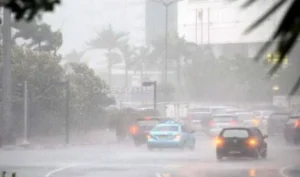
The current wildfire season has severely impacted seven provinces, which are known to be high-risk areas for peatland and forest combustion. These provinces, characterized by vast forest tracts and agricultural zones, have seen a consistent degradation in air quality since mid-August.
The mechanism of the crisis is twofold: uncontrolled land clearing practices during the dry season, exacerbated by climate anomalies that have extended the period of low precipitation. As the smoke drifts across residential areas, it creates a "toxic soup" of carbon monoxide, nitrogen dioxide, and volatile organic compounds. The persistent haze not only triggers immediate respiratory distress but also carries long-term implications for the regional healthcare system, which is now operating under increased strain to handle the influx of patients.
Beyond ISPA: The Multi-System Health Threat
While ISPA is the most visible manifestation of the crisis, health officials are cautioning that the impact of smoke exposure is far more extensive. Prolonged inhalation of hazardous air particles can lead to a cascade of medical complications.
According to the Ministry of Health’s assessment, the ongoing smoke exposure is linked to:
- Ocular Complications: A surge in cases of conjunctivitis, characterized by red, itchy, and painful eyes, has been reported in areas with the highest pollutant concentrations.
- Cardiovascular Strain: The particulate matter can enter the bloodstream, causing systemic inflammation. This is particularly dangerous for the elderly, as it increases the risk of hypertension, cardiac arrhythmias, and strokes.
- Exacerbation of Pre-existing Conditions: Individuals with chronic conditions such as asthma or Chronic Obstructive Pulmonary Disease (COPD) are seeing a marked increase in symptom severity, often requiring hospitalization.
Official Response and Mitigation Strategies
In response to the escalating numbers, the Ministry of Health has moved from a reactive to a proactive surveillance and mitigation model. The Ministry is currently implementing a comprehensive strategy aimed at reducing the burden on hospitals and preventing further health deterioration.
The Director of Environmental Health outlined several key initiatives currently underway:
- Surveillance of Air Quality: The Ministry is coordinating with environmental agencies to monitor real-time air quality index (AQI) data. This information is being used to issue "health alerts" for specific regions, guiding local authorities on when to enforce outdoor activity bans or school closures.
- Institutional Preparedness: A directive has been issued to all local health departments and primary care centers (Puskesmas) in the affected 63 regencies to stockpile essential medicines, including anti-inflammatories, antibiotics, and respiratory support equipment.
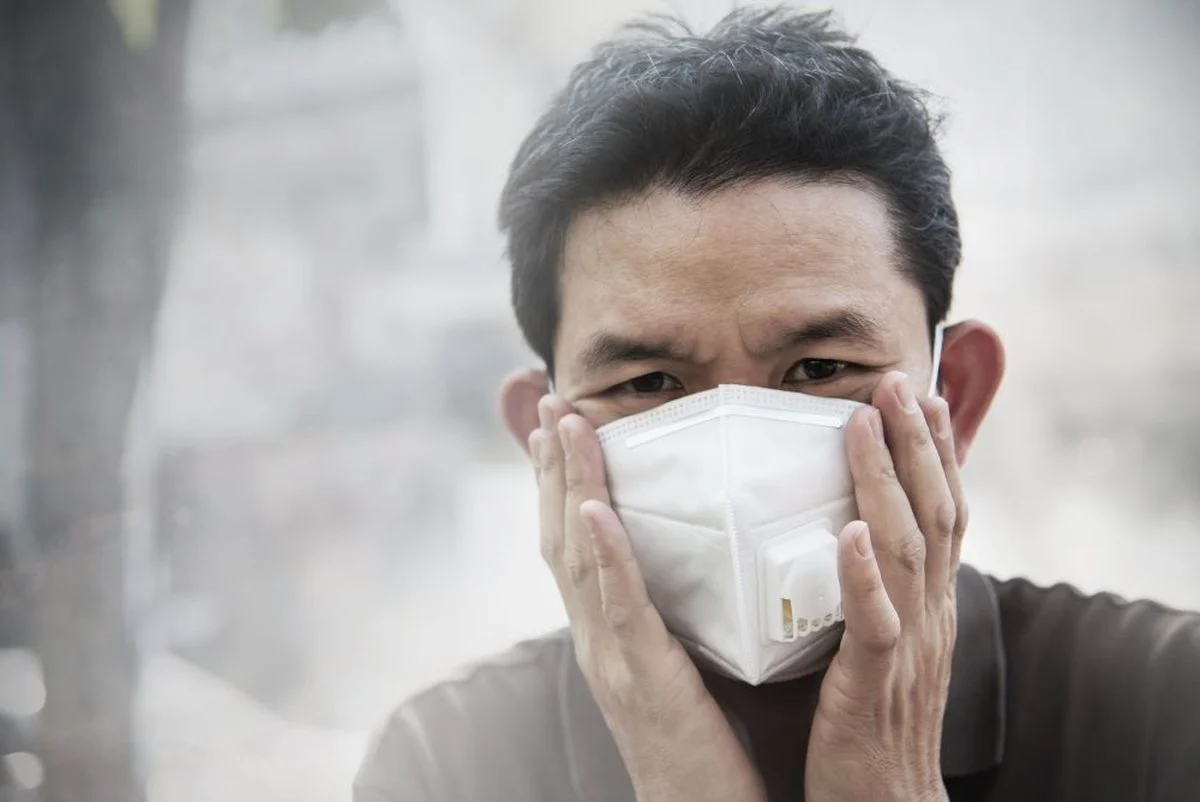
- Community Education: Mobile health units are being deployed to conduct public awareness campaigns. These sessions focus on the necessity of wearing N95 or equivalent masks, maintaining indoor air purity through air purifiers, and recognizing the early warning signs of respiratory distress that require urgent medical intervention.
- Strategic Surveillance: The Ministry is maintaining a daily registry of cases to identify "hot zones" where the incidence rate is rising faster than the regional average, allowing for a more efficient allocation of medical supplies and personnel.
Chronology of the 2026 Haze Crisis
The crisis began to manifest in early August 2026, as the peak of the dry season saw an increase in fire hotspots. By mid-August, regional health clinics in provinces such as South Sumatra, Central Kalimantan, and West Kalimantan began reporting a spike in patient visits for coughs and sore throats.
By the first week of September, the smoke had intensified due to wind patterns shifting the haze toward more densely populated urban centers. The Ministry of Health’s decision to aggregate the data into a centralized 174,694-case report by September 21 marks the first comprehensive snapshot of the crisis. This data will serve as a baseline for the government’s inter-ministerial task force, which includes the Coordinating Ministry for Political and Security Affairs, to evaluate the effectiveness of current fire-suppression efforts and public health interventions.
Implications and Future Outlook
The high number of ISPA cases serves as a stark reminder of the intersection between environmental governance and public health. Experts argue that while clinical treatment is necessary, it is not a solution to the root cause. The repetitive nature of these annual crises suggests that unless there is a fundamental shift in land-use management and fire prevention policies, the public health burden will continue to grow, potentially overwhelming local health infrastructures in the coming years.
The economic impact is also significant. The loss of productivity due to illness, combined with the cost of medical treatments and the long-term healthcare burden on the national social security system (BPJS), represents a multi-trillion rupiah challenge.
As the government continues its efforts to suppress the fires, the Ministry of Health maintains that its focus will remain on "harm reduction." For the residents living in the affected regions, the immediate priority remains the protection of the most vulnerable—the children and the elderly—through consistent vigilance and the utilization of government-provided health facilities.
Moving forward, the government is expected to release further updates as the data from the final week of September becomes available. Authorities are urging the public to remain calm but vigilant, emphasizing that early detection and prompt treatment are the best defenses against the severe health complications associated with the ongoing haze crisis.