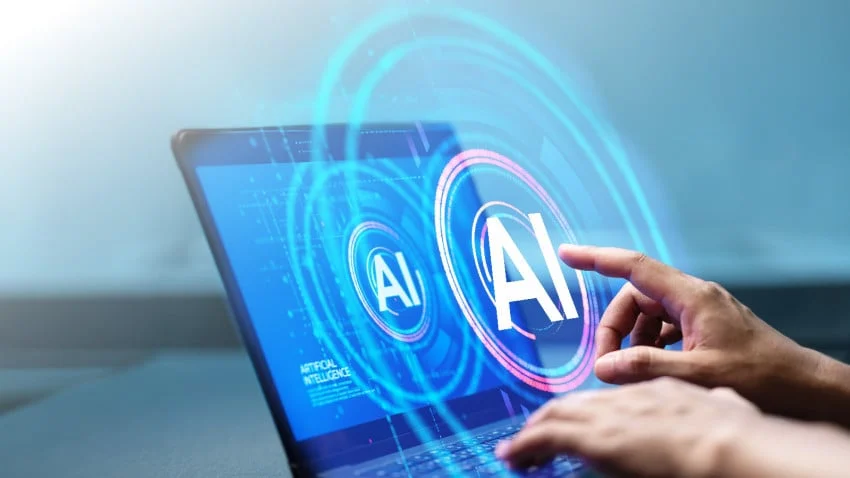
The landscape of Human Resources in Indonesia is undergoing a profound transformation, driven by the increasing demands for strategic contributions and the burgeoning adoption of artificial intelligence. Mekari Talenta, a prominent Cloud HCM (Human Capital Management) software provider within the Mekari ecosystem, has taken a significant step to address these evolving needs by expanding its AI capabilities. This strategic enhancement aims to liberate HR teams from the shackles of administrative tasks, enabling them to assume a more pivotal role in shaping business decisions and directly impacting organizational success.
The Dual Imperative: Operational Efficiency Meets Strategic Insight
The modern HR professional in Indonesia finds themselves navigating a complex dual role. On one hand, they are tasked with ensuring the seamless operation of daily HR functions, encompassing critical areas such as payroll processing, attendance management, and reimbursement procedures. This foundational operational aspect remains indispensable for maintaining organizational stability and employee satisfaction.
However, the contemporary business environment necessitates a far more profound contribution from HR. Today’s HR departments are expected to act as strategic partners, actively influencing business direction by providing data-driven insights on key performance indicators. This includes a deep understanding and actionable recommendations concerning workforce productivity, the mitigation of employee turnover risks, and the cultivation of high-quality talent. The era of relying solely on monthly reports or intuition to guide these strategic decisions is rapidly receding. Management now demands tangible data, executable recommendations, and a proactive approach that moves beyond mere information provision.
Adding to this complexity are persistent challenges such as limited HR staff numbers within many organizations and the escalating expectations of the millennial and Gen Z workforce regarding their overall work experience. These demographic shifts are not merely about administrative conveniences; they represent a fundamental reimagining of employee engagement, career development, and workplace culture. In this context, Artificial Intelligence is no longer a mere administrative aid but is evolving into an integral component of the decision-making process itself.
AI Adoption in Indonesia: A Glimpse into the Future
Recent research underscores the growing embrace of AI in the Indonesian workforce. The PwC Global Workforce Hopes & Fears Survey 2025 revealed that a significant 69% of Indonesian workers reported using AI for their work in the past year. This figure notably surpasses the global average of 54%, indicating a strong receptiveness to AI technologies within the country’s professional landscape.
However, the survey also highlights a crucial nuance: while awareness and initial adoption are high, daily generative AI usage remains relatively limited, with only 16% of the Indonesian workforce engaging with it on a daily basis. This disparity suggests that the full potential of AI in the workplace is still largely untapped, with significant room for deeper integration and utilization.
Furthermore, a noticeable gap exists in access to AI-related learning and development resources. The PwC survey indicated that a substantial 89% of senior executives in Indonesia feel they have adequate access to the training resources they need. In stark contrast, only 64% of non-managerial staff reported similar access. This divergence could potentially create a bottleneck in widespread and effective AI implementation, as those on the front lines of operational execution may lack the necessary skills to leverage AI tools to their fullest extent.
Global Trends in HR AI: Navigating the Hype Cycle
Globally, the integration of AI in Human Resources is being closely monitored and analyzed. Gartner’s Hype Cycle for AI in Human Resources 2025 report provides valuable insights into the maturity of AI innovations within the HR domain. The report indicates that nearly half of all AI innovations in HR are still in the nascent "innovation trigger" stage, meaning their practical utility and commercial viability have not yet been widely validated.
Gartner’s recommendation for HR organizations is to adopt a structured approach, prioritizing the adoption of mature AI solutions such as those in talent acquisition, while gradually exploring more experimental innovations like AI agents. This phased approach acknowledges the transformative potential of AI while advocating for a pragmatic and risk-managed implementation strategy.
Bridging the Strategic Divide: C-Suite Priorities vs. HR Focus
A significant disconnect in strategic priorities between C-suite executives and HR leaders has been identified in global talent trends. Mercer’s Global Talent Trends 2026 survey, which canvassed nearly 12,000 C-suite executives, HR leaders, investors, and employees worldwide, revealed a divergence in their primary focus for return on investment.
For C-suite leaders, the top priority was redesigning work to integrate AI and automation, with 63% citing this as their main focus. This suggests a strong belief in the transformative power of technology to drive operational efficiency and potentially cost savings. Conversely, HR leaders’ primary focus was on enhancing the employee experience to attract and retain top talent. This highlights a potential misalignment in what drives organizational performance, with C-suites emphasizing technological integration and HR focusing on the human element of the workforce.
This gap in alignment could impede holistic organizational growth. The C-suite’s drive for automation, if not carefully integrated with employee well-being and engagement, might inadvertently lead to a disengaged workforce. Conversely, HR’s focus on employee experience, without leveraging AI for efficiency, might struggle to meet the operational demands of the business. Adding to this concern, the Mercer survey revealed a decline in C-suite confidence regarding their organization’s readiness for the human-machine era, dropping from 65% in 2024 to a mere 51% in 2026. This suggests that while the ambition for AI integration exists, the practical preparedness and strategic foresight may be lagging.
Mekari Airene: The AI Engine for Indonesian HR
In direct response to these identified challenges and global trends, Mekari Talenta has launched a suite of advanced AI capabilities under the umbrella of "Mekari Airene." This innovative AI engine is seamlessly embedded within the daily workflows of HR professionals, aiming to directly address the operational burdens and strategic gaps.
Transforming the HR Workstation: Automation and Intelligent Assistance
Mekari Airene fundamentally alters the daily operations of HR teams by automating many time-consuming tasks that were previously manual and resource-intensive. From the initial stages of recruitment to the intricacies of attendance tracking and the complexities of reimbursement, these core functions can now be managed with unprecedented efficiency.
Key Capabilities of Mekari Airene:
-
Mekari Airene HR Copilot: This intelligent AI assistant is designed to be a true partner for HR teams, providing answers to queries in natural Indonesian. It goes beyond simple text responses by offering comprehensive data, insightful visualizations, and actionable recommendations. For instance, instead of spending hours generating reports, an HR professional can simply ask: "Which branch had the highest gross salary last month?" or "Which department had the most overtime hours this quarter?" The HR Copilot can deliver these answers within seconds, eliminating the need to navigate complex reporting tools. This immediate access to critical data empowers HR to move from reactive reporting to proactive analysis and strategic intervention.
-
AI-Powered Recruitment Automation: Mekari Airene can streamline the entire recruitment lifecycle. This includes intelligent candidate sourcing, automated resume screening based on predefined criteria, and scheduling of interviews. By handling these repetitive tasks, the AI frees up recruiters to focus on higher-value activities such as candidate engagement, building talent pipelines, and conducting in-depth interviews that assess cultural fit and critical competencies. This not only accelerates time-to-hire but also improves the quality of hires by ensuring a more thorough and data-driven selection process.
-
Predictive Workforce Analytics: Beyond descriptive reporting, Mekari Airene offers predictive capabilities. It can analyze historical data to forecast potential workforce trends, such as predicting employee turnover risks in specific departments or identifying skill gaps that may emerge in the near future. These insights enable HR to implement proactive retention strategies, develop targeted training programs, and proactively address potential talent shortages before they impact business operations.
-
Intelligent Leave and Absence Management: AI can optimize leave and absence management by automating the approval process for standard leave requests, flagging any potential conflicts or policy violations, and providing real-time visibility into workforce availability. This reduces administrative overhead for HR and managers, while ensuring compliance and enabling better workforce planning.
-
Automated Reimbursement Processing: Mekari Airene can automate the end-to-end reimbursement process, from initial submission and verification against company policies to approval and payment processing. By leveraging AI for document verification and fraud detection, it can significantly reduce processing times, minimize errors, and enhance employee satisfaction with a faster and more transparent reimbursement experience.
Implications for the Indonesian HR Landscape
The introduction of Mekari Airene represents a significant inflection point for HR practices in Indonesia. The implications are multifaceted:
-
Elevated Strategic Role for HR: By offloading administrative burdens, HR professionals will have more time and resources to dedicate to strategic initiatives such as talent development, organizational design, change management, and employee engagement strategies. This shift will position HR as a true business partner, contributing directly to the achievement of organizational goals.
-
Data-Driven Decision Making: The AI-powered insights provided by Mekari Airene will enable HR to make decisions grounded in empirical evidence rather than assumptions. This will lead to more effective policies, targeted interventions, and ultimately, a more productive and engaged workforce.
-
Enhanced Employee Experience: Automation of routine tasks and faster processing of employee requests can lead to a significantly improved employee experience. Employees will benefit from more efficient HR services, leading to higher satisfaction and engagement levels.
-
Increased Organizational Agility: In a rapidly evolving business environment, organizations need to be agile and adaptable. Mekari Airene provides HR with the tools to quickly analyze workforce data, identify trends, and implement necessary changes, thereby enhancing the organization’s overall agility.
-
Addressing the Skills Gap: While AI adoption is growing, the PwC survey highlighted a gap in skills and access to training. Mekari Talenta’s approach of embedding AI directly into familiar workflows, coupled with its AI Copilot that uses natural language, makes these advanced technologies more accessible and user-friendly, potentially mitigating some of the skills gap challenges.
Looking Ahead: The Future of Human Capital Management
As Indonesian businesses continue to embrace digital transformation, the role of AI in Human Resources will only become more critical. Mekari Talenta’s proactive expansion of its AI capabilities with Mekari Airene positions it as a key enabler for HR professionals seeking to navigate this evolving landscape. The company’s commitment to empowering HR teams to move beyond administrative tasks and embrace strategic decision-making is a testament to its understanding of the current and future needs of the Indonesian market. By providing tools that blend operational efficiency with intelligent insights, Mekari Talenta is not just offering software; it is facilitating a fundamental shift in how human capital is managed and leveraged for organizational success in the age of artificial intelligence. The journey from operational necessity to strategic partnership for HR is well underway, and AI is proving to be an indispensable catalyst in this transformation.