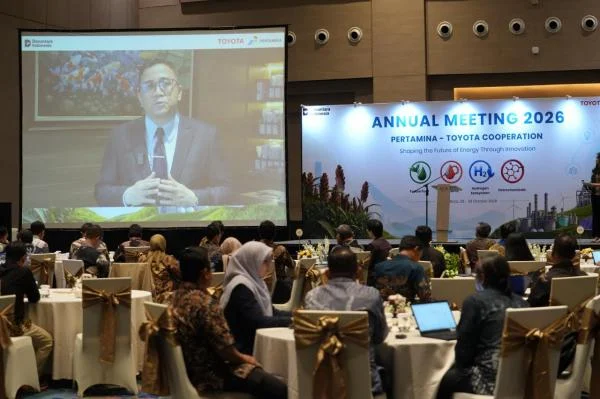
PT Pertamina (Persero) and the global automotive giant Toyota Group have officially announced the extension of their strategic partnership for an additional five years, spanning through 2030. This landmark agreement aims to reinforce national energy security while aggressively accelerating the clean energy transition in Indonesia. The renewed collaboration was formally consolidated during the Annual Meeting 2026 of the Pertamina-Toyota Cooperation, held in Surakarta on Wednesday, October 28, 2026.
The expanded partnership encompasses a broad spectrum of sustainable energy initiatives, including the development of low-carbon fuels, advanced lubricants, cutting-edge hydrogen technologies, and innovative petrochemical products. By combining Pertamina’s robust domestic energy infrastructure and production capabilities with Toyota’s world-class automotive engineering and market insights, the alliance seeks to address the dual challenges of reducing greenhouse gas emissions and meeting the growing energy demands of Southeast Asia’s largest economy.
Aligning with National Priorities and the Asta Cita Agenda
The strategic renewal arrives at a critical juncture for Indonesia as the nation navigates complex geopolitical shifts and evolving global energy markets. Speaking at the annual meeting, Pertamina Deputy Chief Executive Officer Oki Muraza emphasized that the ongoing partnership with Toyota directly supports the Indonesian government’s strategic priorities, most notably the visionary Asta Cita agenda. This national policy framework places paramount importance on achieving self-sufficiency in energy security and accelerating the transition toward a greener economy through technological innovation.
“The dynamic geopolitical landscape and shifting global energy conditions make strategic collaborations of this caliber more vital than ever,” stated Oki Muraza during his virtual keynote address. He further highlighted that the milestones achieved over the years demonstrate the tangible progress of their joint initiatives, successfully transforming rigorous technical expertise and cutting-edge innovations into concrete, commercially viable business outcomes.
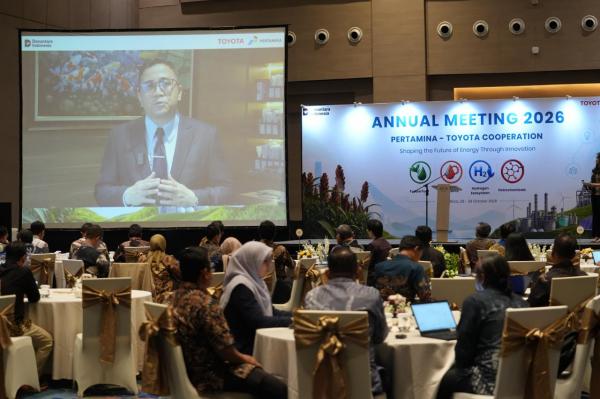
The synergy between the two corporate titans is built upon a foundation of complementary strengths. According to Hana Timoti, Senior Vice President of Technology Innovation and Implementation at Pertamina, the cooperative framework leverages the core competencies of each entity. Pertamina spearheads the formulation, development, and supply of advanced fuel alternatives, while Toyota contributes its unparalleled automotive technology expertise and deep understanding of the evolving demands within the modern transportation sector.
A Chronological Overview of the Pertamina-Toyota Alliance
The partnership between Pertamina and Toyota did not materialize overnight; rather, it represents the culmination of years of progressive dialogue, joint research, and phased implementation.
In the early stages of their engagement, both corporations focused primarily on optimizing conventional fuel efficiency and exploring standard lubricant applications to reduce vehicular emissions. As global climate targets tightened and Indonesia committed to its ambitious Nationally Determined Contributions (NDCs), the scope of cooperation rapidly evolved.
By 2023 and 2024, the partnership began transitioning toward pilot projects involving biofuel integration, specifically testing higher blends of palm oil-derived biodiesel and bioethanol in various Toyota vehicle fleets operating across Indonesia. These preliminary trials yielded encouraging data regarding engine durability, performance retention, and significant reductions in carbon dioxide emissions.
In 2025, recognizing the imperative to diversify energy vectors beyond traditional electrification and biofuels, both companies expanded their research agenda to include hydrogen technology and low-carbon synthetic fuels. This laid the groundwork for the comprehensive 2026 agreement, which formalizes joint commitments through 2030, institutionalizing research and development pipelines for hydrogen fuel cell applications, next-generation hybrid optimization, and circular economy petrochemical solutions.

Supporting Data and Industry Context
Indonesia’s transportation sector accounts for a substantial share of the nation’s total domestic energy consumption and carbon emissions. Consequently, decarbonizing this sector is a non-negotiable prerequisite for the country to achieve its long-term Net Zero Emissions (NZE) target by 2060 or sooner.
Recent automotive industry trends in Indonesia underscore the viability of immediate emissions-reduction technologies alongside full electrification. For instance, the growing popularity of hybrid electric vehicles (HEVs)—which offer significantly lower fuel consumption without imposing an immediate strain on national electric charging infrastructure—highlights the pragmatic approach consumers are taking. Industry data indicates that newer generations of hybrid vehicles can achieve fuel savings of up to 15 percent compared to conventional internal combustion engines, translating to immediate reductions in imported fuel dependency and fiscal relief on energy subsidies.
Simultaneously, Pertamina has been systematically scaling up its green energy portfolio. As the state-owned enterprise entrusted with safeguarding national energy security, Pertamina operates refineries capable of producing renewable diesel (HVO – Hydrotreated Vegetable Oil) and is actively investing in geothermal and green hydrogen pilot projects. The partnership with Toyota ensures that these upcoming alternative fuel supplies will have a synchronized, ready-and-waiting consumer market within Indonesia’s vast automotive ecosystem.
Broader Implications for the Indonesian Economy and Energy Landscape
The extension of the Pertamina-Toyota partnership through 2030 carries profound implications for Indonesia’s industrial policy, technological readiness, and macroeconomic stability.
First, by localizing the research and deployment of low-carbon fuels and hydrogen infrastructure, Indonesia positions itself not merely as a passive consumer of green technology, but as an active regional hub for sustainable mobility and energy innovation. This aligns closely with the government’s broader push downstreaming raw materials and building domestic manufacturing ecosystems that can compete on a global scale.

Second, the collaboration mitigates the macroeconomic vulnerability associated with fossil fuel imports. By promoting energy efficiency through advanced hybrid powertrains and substituting imported crude with domestically produced biofuels and synthetic alternatives, Indonesia can better insulate its foreign exchange reserves against global oil price volatility.
Finally, the partnership serves as a blueprint for cross-sectoral decarbonization. Historically, the energy supply sector and the automotive manufacturing sector operated in relative silos, with fuel standards often lagging behind engine technology or vice versa. By aligning their roadmaps up to 2030, Pertamina and Toyota ensure that fuel quality, lubricant formulation, petrochemical packaging, and vehicle design advance in lockstep, creating a seamless consumer experience that drives rapid market adoption.
As the global community watches how emerging economies balance economic growth with climate action, the renewed alliance between Pertamina and Toyota stands out as a pragmatic, forward-looking model for industrial cooperation. Through continued investment in technological innovation, low-carbon fuels, and sustainable mobility, both corporations are laying a resilient foundation for Indonesia’s energy future well into the next decade.