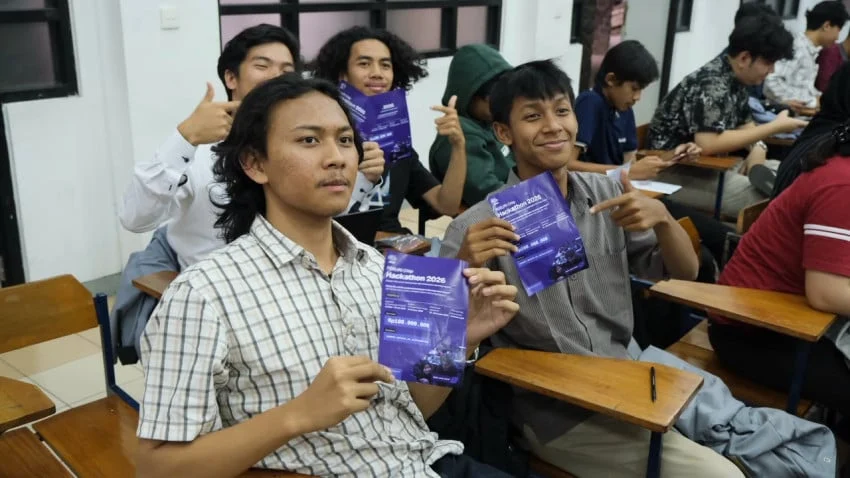
The Perum Percetakan Uang Republik Indonesia (Peruri), the state-owned enterprise entrusted with the security printing and digital identity infrastructure of the nation, has officially inaugurated the Peruri Chip Hackathon 2026. This strategic initiative serves as a national platform aimed at tapping into the burgeoning potential of Indonesia’s university students. By focusing specifically on chip and semiconductor technology, the program seeks to bridge the gap between academic research and industrial application, ultimately fostering a robust digital ecosystem that aligns with the Indonesian government’s long-term vision of technological self-reliance.
As the global landscape shifts toward high-tech manufacturing and digital security, the necessity for localized innovation in semiconductor design and application has become paramount. Through this hackathon, Peruri is positioning itself not merely as a security printing entity but as a key architect in the nation’s digital transformation roadmap, inviting the brightest minds from universities across the archipelago to contribute to the country’s burgeoning technological footprint.
The Strategic Context of Semiconductor Innovation
The global semiconductor industry is currently undergoing a period of unprecedented expansion, driven by the proliferation of Artificial Intelligence (AI), the Internet of Things (IoT), and advanced cybersecurity requirements. For Indonesia, a country heavily reliant on imported technology for its digital infrastructure, the development of domestic expertise in chip technology is a matter of national strategic importance.
The Peruri Chip Hackathon 2026 is designed to address this dependency by fostering a culture of innovation at the grassroots level. By challenging students to conceptualize and develop solutions based on chip technology, Peruri aims to create a pipeline of talent that understands the intricacies of hardware-software integration. This is particularly relevant given Peruri’s mandate to secure digital transactions, manage high-security documentation, and oversee digital identity verification—all of which are increasingly reliant on embedded secure elements and advanced chip-based authentication systems.
Timeline and Competition Structure
The initiative follows a structured, multi-phased approach designed to ensure that participants move from conceptual ideation to viable prototype development. The competition timeline is as follows:
- September 29, 2026: The "Get to Know Peruri Chip Hackathon 2026" virtual roadshow will take place. This session is designed to provide prospective participants with an in-depth understanding of the technical domains involved, the competition rules, and the evaluation criteria. Interested students are encouraged to register via the official portal at s.id/Registrasi_Roadshow_Hackathon.
- October 8, 2026: The official deadline for registration. All submissions must be completed through the portal at https://summit.peruri.co.id/hackathon by this date.
- Selection Phase: Following the registration window, a panel of industry experts and Peruri officials will evaluate the initial proposals. The selection process will identify the top five teams, which will then proceed to the intensive bootcamp stage.
- Bootcamp and Mentorship: The selected finalists will receive professional mentorship, allowing them to refine their technical concepts, address architectural limitations, and prepare for real-world implementation.
- Final Presentation: The competition will culminate in a final presentation where the top three teams will showcase their innovations, demonstrating their potential for integration into national-scale digital infrastructure.
Perspectives from Leadership
Adi Sunardi, the Head of Corporate Secretary at Peruri, emphasized the broader mission behind the hackathon. "Through the Peruri Chip Hackathon 2026, we aim to open a gateway for young talent to translate their theoretical knowledge into tangible innovations in the field of semiconductor technology," Sunardi stated. He highlighted that the project is not just about the competition itself, but about the long-term goal of "strengthening Indonesia’s digital sovereignty."
Industry analysts observe that by hosting such an event, Peruri is effectively crowdsourcing research and development. In a field as complex as chip design, where barriers to entry are traditionally high due to capital and infrastructure requirements, this hackathon provides students with access to a state-led sandbox environment. This approach mitigates the risks associated with early-stage innovation and provides the state with fresh perspectives on how to apply secure chip technology to public service delivery.
The Importance of Human Capital in Tech Sovereignty
Indonesia’s "Golden Indonesia 2045" vision relies heavily on the quality of its human capital. The tech sector, specifically the semiconductor segment, is highly competitive and requires a specialized workforce. Currently, Indonesia faces a deficit in the number of hardware engineers and chip architects compared to its regional neighbors like Vietnam or Malaysia.
By facilitating this competition, Peruri is addressing the "talent gap." The bootcamp phase is particularly critical; it provides students with a bridge between the classroom and the industry. In many engineering curricula, there is a lack of exposure to the practical, high-stakes environments where security-focused chips are manufactured and deployed. This initiative offers a unique opportunity for students to engage with the actual challenges of "digital security," such as data encryption, tamper-resistant hardware, and low-power IoT connectivity.
Implications for the Digital Ecosystem
The implications of a successful Peruri Chip Hackathon are far-reaching. First, it accelerates the digital literacy of the younger generation regarding hardware security. Second, it serves as an incubator for intellectual property (IP). If the hackathon results in viable patents or original design architectures, it could potentially reduce the nation’s reliance on imported proprietary technology.
Furthermore, as Peruri continues to expand its digital services, the need for homegrown talent becomes a matter of operational continuity. Developing a workforce that is familiar with Peruri’s proprietary systems and security standards ensures that the company can continue to provide reliable services to the government and the private sector in the long term.
Technical Domains and Participation Requirements
The hackathon is open to all active university students in Indonesia, regardless of their specific engineering background, though a foundation in electrical engineering, computer science, or telecommunications is highly recommended. The scope of the competition covers several critical areas of the digital economy:
- Hardware Security: Designing chips that protect against physical and logical tampering.
- Authentication Protocols: Creating efficient, chip-based methods for identity verification.
- IoT Integration: Developing secure chips for the growing network of interconnected devices in smart cities.
- Data Integrity: Ensuring that hardware-level data storage remains immutable and authentic.
Participants are expected to demonstrate not only technical prowess but also the ability to think critically about the socio-economic impacts of their solutions. The evaluation criteria will likely favor projects that are scalable, energy-efficient, and capable of addressing the specific security challenges faced by an archipelagic nation.
How to Engage and Prepare
For students aiming to participate, preparation is key. The upcoming socialisation session on September 29 is the most vital step in understanding the technical requirements. It is expected that Peruri will provide detailed technical briefs during this session, which will help teams structure their proposals to meet the specific needs of the state enterprise.
The registration portal, https://summit.peruri.co.id/hackathon, acts as the central repository for all documentation. Students are advised to review the terms and conditions thoroughly, as intellectual property rights and participation agreements are standard in high-level state-sponsored competitions.
Conclusion
The Peruri Chip Hackathon 2026 represents a pivotal moment for Indonesia’s technology sector. It marks a transition from passive consumption of global technological trends to active participation in the creation of critical digital components. By investing in the potential of university students, Peruri is not only securing its own future but is also contributing to the foundational strength of Indonesia’s digital economy.
As the October 8 deadline approaches, the anticipation among the academic and professional community continues to build. The success of this event will be measured not just by the number of participants, but by the tangible impact the winning solutions will have on the nation’s digital infrastructure. In an era where digital identity and security are the cornerstones of national governance, the Peruri Chip Hackathon 2026 stands as a testament to the power of state-led innovation in securing a more autonomous and resilient future.