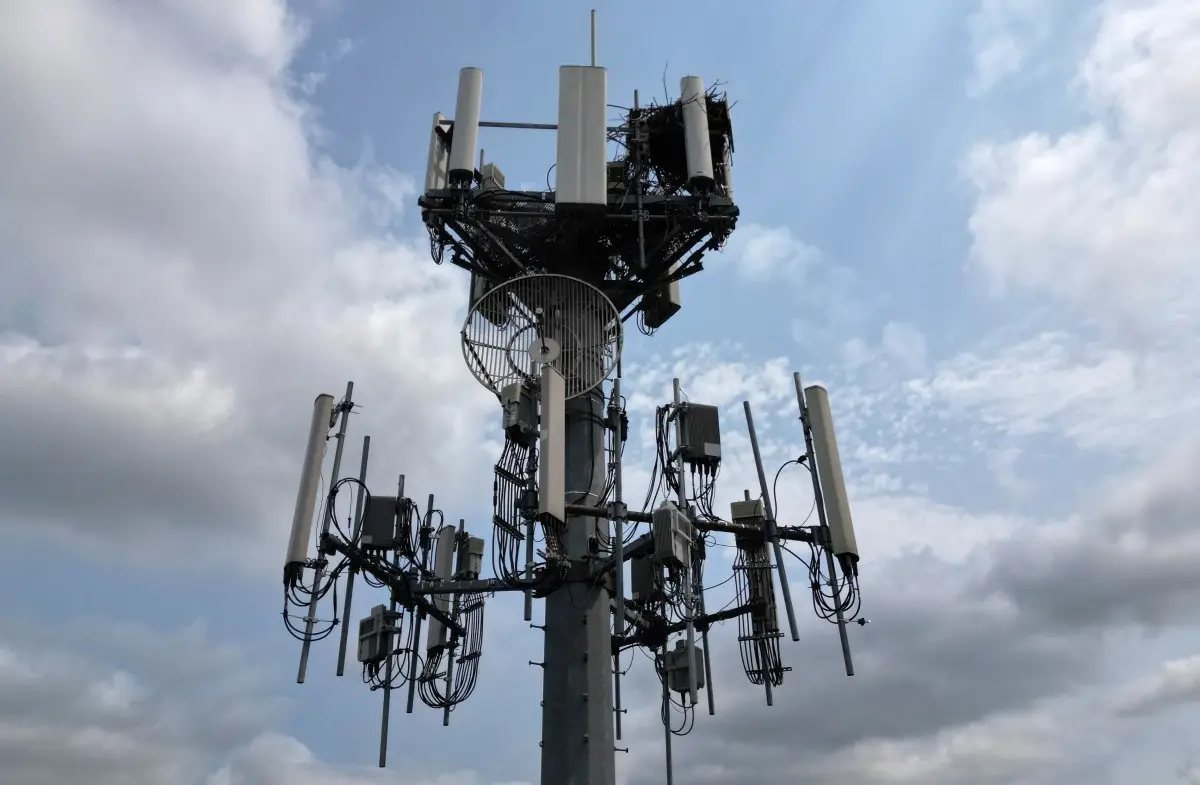
The rapid evolution of telecommunications has introduced consumers to unprecedented mobile internet speeds, primarily heralded by the arrival of fifth-generation (5G) networks. However, beneath the marketing terminology and the glowing 5G icons on smartphone screens lies a complex technical reality. For millions of users worldwide, the 5G network they are currently utilizing does not operate as a completely autonomous system. Instead, telecommunication operators rely heavily on a transitional architecture known as 5G Non-Standalone (5G NSA). This foundational framework has served as the backbone for the early deployment of 5G services globally, bridging the technological gap between legacy 4G LTE networks and fully independent 5G systems.
To understand why this architecture was chosen and how it operates, it is necessary to examine the underlying mechanics of modern telecommunications. While end-users simply experience faster downloads, lower latency, and smoother media streaming without needing to comprehend the technical backend, the structural design of 5G NSA dictates the performance, limitations, and future trajectory of mobile broadband. As global telecom operators continue to invest billions of dollars into network upgrades, 5G NSA remains a vital, albeit intermediate, step in the ongoing digital transformation of global connectivity.
Defining 5G Non-Standalone (NSA) Architecture
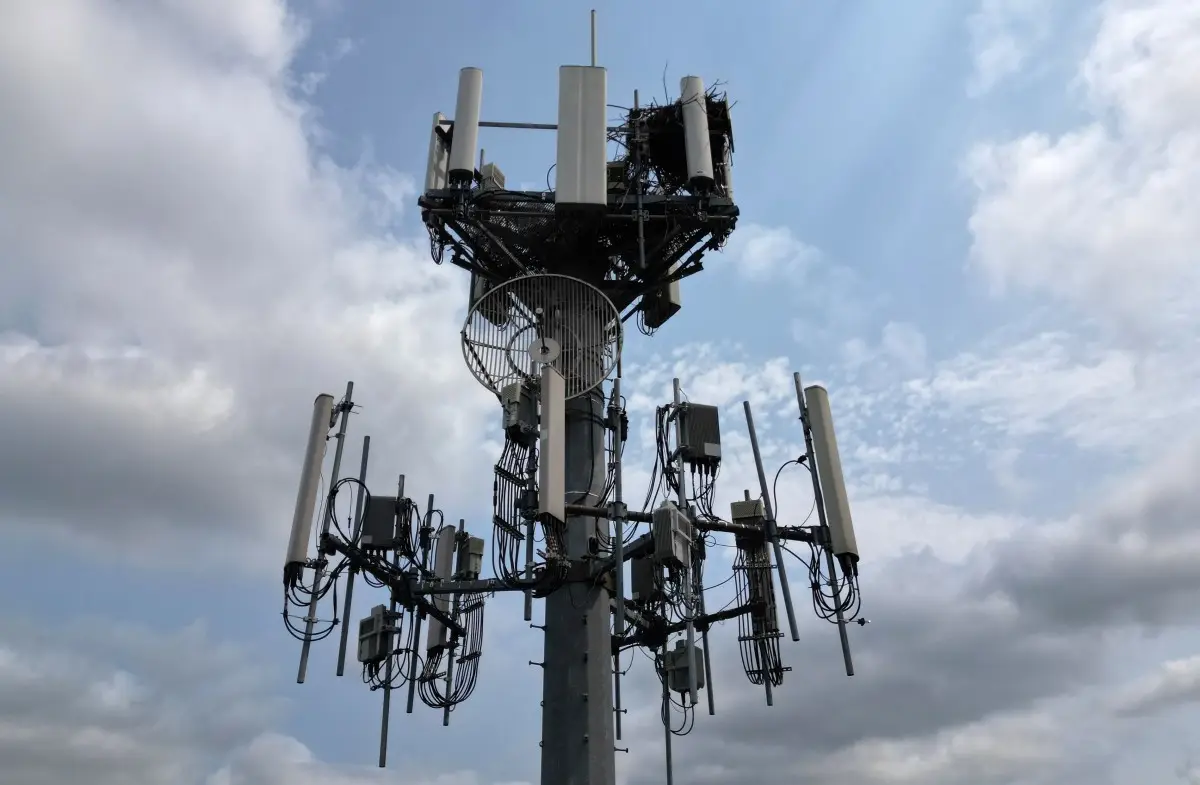
At its core, 5G Non-Standalone (NSA) refers to a 5G network implementation strategy where the newly deployed 5G radio access technology relies upon an existing 4G Long-Term Evolution (LTE) core network infrastructure. The acronym "NSA" directly translates to "not standing alone," signifying that the technology cannot function entirely on its own infrastructure during its initial operational phase.
According to technical specifications established by global standardization bodies such as the 3rd Generation Partnership Project (3GPP) and the European Telecommunications Standards Institute (ETSI), 5G NSA combines the high-frequency radio capabilities of 5G New Radio (NR) with the robust, widespread control plane of the 4G Evolved Packet Core (EPC). In practical terms, this means that while a consumer’s smartphone communicates with cell towers using advanced 5G radio frequencies to transmit large packets of user data, the establishment, authorization, and management of that connection are still governed by the older 4G network architecture.
Despite utilizing the 4G core, 5G NSA is not merely a marketing gimmick or an accelerated version of 4G LTE. Devices connected to a 5G NSA network genuinely utilize 5G New Radio air interfaces, delivering higher throughputs and increased bandwidth capacity compared to legacy networks. The smartphone correctly displays a 5G icon because the physical radio link operating between the device and the tower leverages 5G frequency bands and modulation schemes.
How 5G NSA Operates: The Mechanics of Dual Connectivity

The operational framework of 5G NSA is governed by a sophisticated telecommunications mechanism known as E-UTRA-NR Dual Connectivity (EN-DC). Through EN-DC, a compatible mobile device can simultaneously connect to both a 4G LTE base station (eNodeB) and a 5G NR base station (gNodeB).
In this dual-connectivity arrangement, the network assigns specific hierarchical roles to each generation of infrastructure. The 4G LTE network typically acts as the Master Node (MN), taking charge of the control plane. This means the 4G infrastructure handles critical administrative functions, including device authentication, security handovers, session management, and the overarching connection setup between the user equipment and the operator’s core network. Conversely, the 5G NR infrastructure functions as the Secondary Node (SN), focusing primarily on the user plane to provide substantial additional capacity for high-speed data transfer.
When a user initiates a data-heavy task, such as downloading a large file or streaming a high-definition video, the mobile device utilizes the combined bandwidth of both the 4G and 5G connections. The 4G anchor channel maintains baseline stability and signaling, while the 5G radio channel offloads the heavy lifting of data throughput. However, the realization of these speeds is entirely contingent upon several external variables, including device hardware capabilities, specific operator configuration profiles, spectrum allocation, and local signal propagation conditions.
Historical Context and the Rationale for Operator Adoption
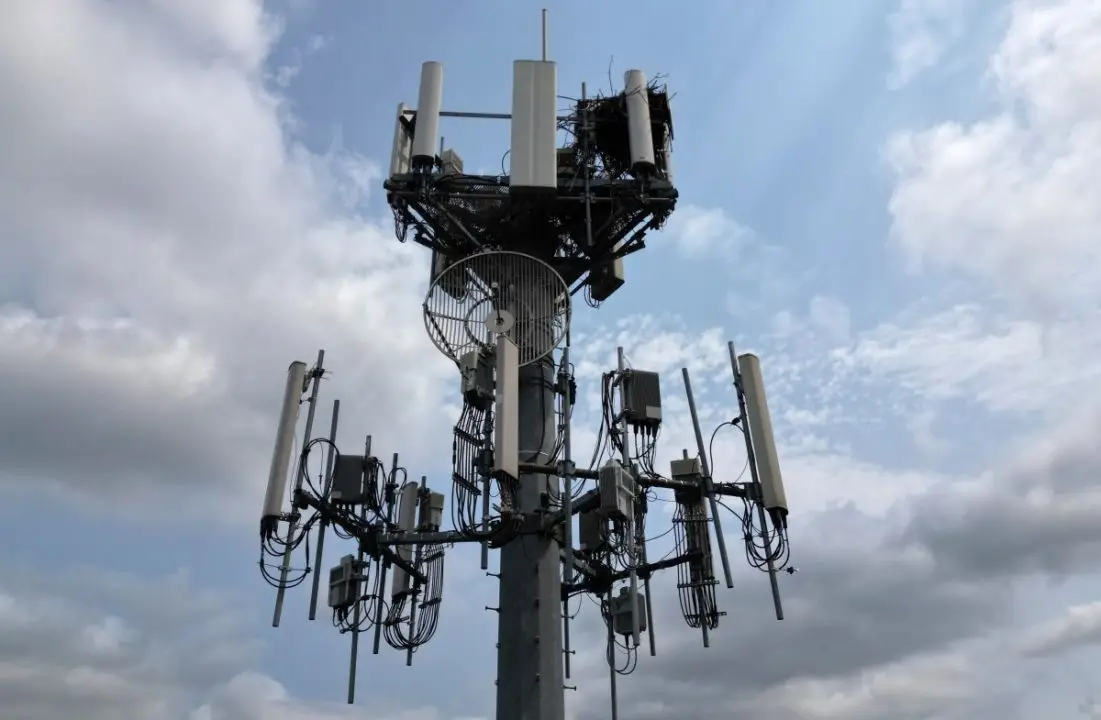
The deployment of 5G NSA was not an accidental design choice by telecommunication engineers, but rather a calculated economic and logistical necessity. When 5G standardization began in the late 2010s, telecommunications operators faced a massive financial hurdle: replacing entire national networks with brand-new 5G Standalone (SA) infrastructure—which requires an entirely new core network alongside new radio towers—would cost hundreds of billions of dollars and take decades to complete.
Operators needed a strategy that allowed them to monetize early investments in 5G radio spectrum without enduring the crippling capital expenditures of building a complete 5G core network from scratch. By adopting the NSA architecture, carriers were able to leverage their existing, highly optimized 4G LTE core networks, which already featured comprehensive geographic coverage and reliable management systems.
This approach allowed operators to roll out commercial 5G services years ahead of schedule. Instead of waiting for complete end-to-end 5G infrastructure to be built in every city, carriers simply installed 5G New Radio equipment onto existing 4G cell sites and integrated them with their current core systems. This phased implementation minimized initial deployment costs, reduced deployment friction, and enabled a rapid go-to-market strategy for consumer 5G subscriptions.
Comprehensive Analysis: Advantages and Limitations of 5G NSA
Like any major technological transition, 5G NSA presents a distinct balance of strategic benefits and architectural drawbacks. For operators, the primary advantage lies in capital efficiency and accelerated time-to-market. By utilizing existing 4G infrastructure as an anchor, carriers can deliver enhanced mobile broadband experiences to densely populated urban centers without committing to massive infrastructure overhauls prematurely. For consumers, 5G NSA delivers noticeably faster download speeds, reduced network congestion in crowded areas, and a more responsive mobile browsing experience compared to traditional 4G LTE, all while utilizing devices designed for early-generation 5G compatibility.
However, the architectural dependence on 4G infrastructure introduces significant limitations. Because the network relies on a 4G core, 5G NSA cannot unlock the most advanced capabilities promised by the 5G vision. Features such as ultra-low latency (sub-1millisecond response times), massive machine-type communications for Internet of Things (IoT) ecosystems, and native network slicing—which allows operators to partition virtual networks for critical services like emergency response or industrial automation—require a dedicated 5G Standalone (SA) core.
Furthermore, because the control plane is managed by 4G, devices operating on 5G NSA may experience slightly higher latency compared to true 5G SA networks. Battery consumption can also be a concern, as mobile chipsets must manage simultaneous radio connections to both 4G and 5G towers via dual connectivity, consuming additional power during active data sessions.
Industry Implications and the Transition Toward 5G Standalone

As global telecommunications markets mature, 5G NSA is increasingly viewed as a transitional technology. While it successfully introduced the world to multi-gigabit mobile speeds and sustained early consumer demand, the long-term future of cellular technology points definitively toward 5G Standalone (5G SA) architectures.
Major telecom operators worldwide have already begun the gradual migration from NSA to SA networks, deploying cloud-native 5G core infrastructures capable of operating entirely independent of legacy 4G systems. This transition is crucial for unlocking specialized enterprise applications, smart city initiatives, autonomous vehicle communications, and advanced industrial automation that demand absolute reliability, dedicated bandwidth slicing, and ultra-reliable low-latency communication (URLLC).
Ultimately, 5G NSA represents a masterclass in engineering pragmatism. By cleverly combining the extensive geographic reach of 4G LTE with the high-frequency data capacity of 5G New Radio, the telecommunications industry successfully navigated a complex multi-trillion-dollar infrastructure transition. While consumers continue to enjoy the immediate benefits of 5G NSA on their everyday devices, the ongoing evolution toward full 5G Standalone architectures will continue to reshape the digital landscape in the years ahead.