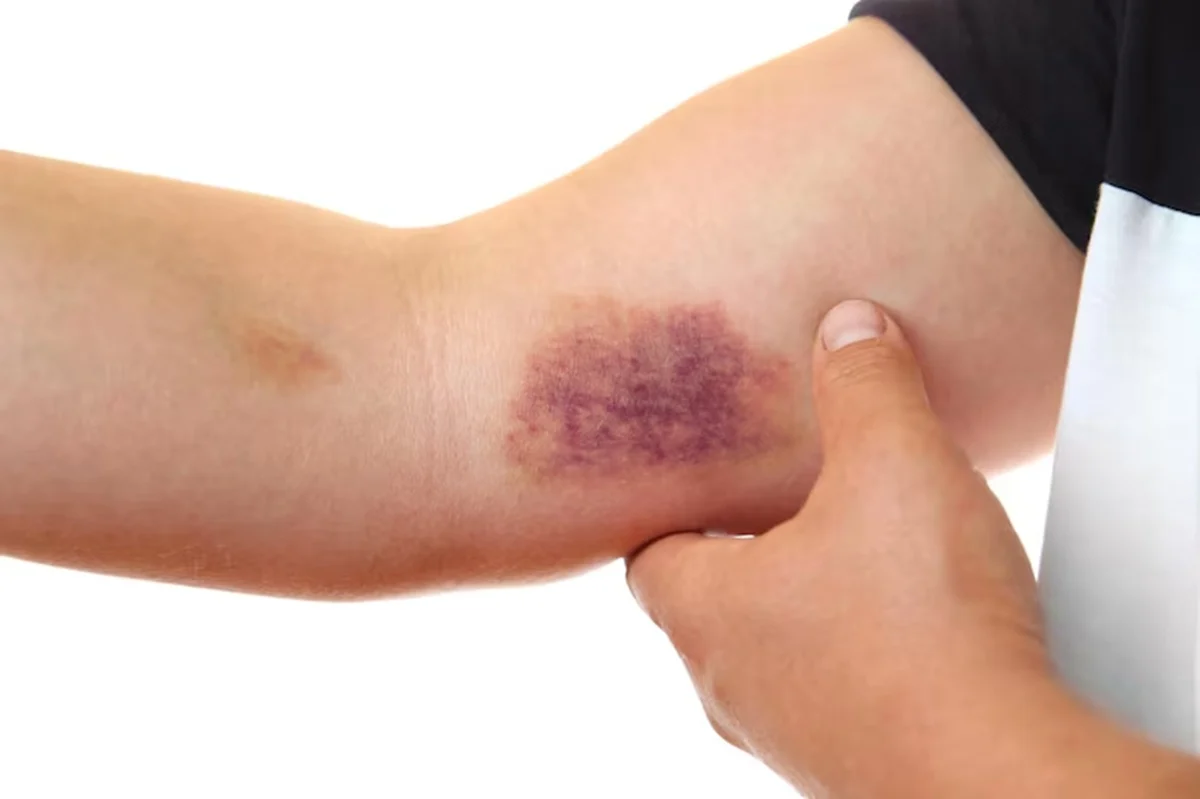
The phenomenon of unexplained bruising—often colloquially attributed to myths or supernatural interference—is a common clinical presentation that frequently leads individuals to seek medical clarification. Medically identified as purpura simplex or "easy bruising syndrome," this condition involves the appearance of subcutaneous hemorrhages without a history of significant trauma. While popular folklore in many cultures suggests that these marks are the result of unseen entities, the physiological reality is rooted in the delicate architecture of the vascular system and the body’s coagulation mechanisms.
Understanding the prevalence and nature of this condition requires a dive into hematology, endocrinology, and nutritional science. Experts, including clinical exercise physiologists like Dr. Cecep Hermawan, emphasize that while most instances of idiopathic bruising are benign, they serve as a critical diagnostic indicator that necessitates a baseline understanding of how the body maintains vascular integrity.
The Physiology of Subcutaneous Hemorrhage
A bruise, or ecchymosis, occurs when capillaries—the smallest blood vessels in the human body—are damaged, allowing blood to leak into the surrounding tissue. Under normal circumstances, the body’s coagulation cascade and the structural integrity of vessel walls prevent such leakage. However, when the capillary walls are fragile or the platelet function is slightly compromised, even negligible pressure, such as resting an arm on a hard surface or a minor brush against furniture, can rupture these vessels.
In cases of purpura simplex, the primary driver is the increased fragility of the capillary walls. These vessels, which are thin and sensitive, may lack the necessary structural support provided by surrounding collagen. When these vessels "leak" under the skin, the blood pools and oxidizes, resulting in the characteristic blue, purple, or yellow discoloration observed on the skin surface.
Clinical Context and Demographic Trends
Data indicates that purpura simplex disproportionately affects women, particularly those of reproductive age. Clinical observations suggest that this is not a coincidence but rather a reflection of hormonal dynamics. Estrogen, a dominant hormone in the female cycle, has complex effects on the vascular system. During certain phases of the menstrual cycle, fluctuations in hormonal levels may temporarily impact the resilience of the vascular endothelium, the inner lining of blood vessels.
Furthermore, medical literature has noted that as individuals age, the skin and the underlying blood vessels become thinner. This natural process, known as senile purpura (or actinic purpura), is common in the elderly, where the connective tissue supporting the capillaries loses its density, making the vessels prone to rupture even without substantial force.
The Role of Nutritional Deficiencies
A significant, yet often overlooked, factor in unexplained bruising is nutrition. Specifically, Vitamin C (ascorbic acid) is a vital cofactor in the synthesis of collagen. Collagen acts as the "glue" that binds cells together, providing structure to the skin, bones, and, crucially, the walls of blood vessels.
When Vitamin C intake is insufficient, the body’s ability to repair and maintain the integrity of these vessels is compromised. A deficiency, even if sub-clinical, can lead to increased vascular fragility. Foods rich in Vitamin C, such as guava, citrus fruits, bell peppers, and strawberries, are essential not only for immune health but for maintaining the mechanical strength of the circulatory system. In a professional clinical setting, a physician will often review a patient’s dietary habits to rule out nutritional deficits before proceeding to more invasive blood work.

Distinguishing Benign Bruising from Pathological Conditions
While purpura simplex is largely benign, it is imperative for patients to distinguish it from more serious hematological disorders. A central component of the diagnostic process is the Complete Blood Count (CBC) and, if necessary, a coagulation profile.
The primary objective of these tests is to rule out:
- Thrombocytopenia: A condition characterized by an abnormally low platelet count, which is essential for blood clotting.
- Von Willebrand Disease: The most common inherited bleeding disorder, which affects the protein necessary for platelet adhesion.
- Leukemia or Bone Marrow Disorders: Rare but serious conditions that can interfere with the production of clotting factors.
- Drug-Induced Coagulopathy: Many patients fail to realize that common medications—including non-steroidal anti-inflammatory drugs (NSAIDs) like aspirin, ibuprofen, or prescribed blood thinners (anticoagulants)—significantly increase the risk of bruising.
Patients are strictly advised not to discontinue prescribed anticoagulant medication without direct consultation with a healthcare provider. Stopping these medications abruptly can lead to life-threatening complications, such as stroke or pulmonary embolism.
Chronology of Clinical Assessment
When a patient presents with "unexplained" bruising, the standard medical timeline typically follows a structured protocol:
- Initial Consultation (Day 0): A review of the patient’s medical history, current medication list (including supplements like fish oil, ginseng, or ginkgo biloba, which can thin the blood), and the duration of the bruising.
- Laboratory Screening (Day 1-3): A blood panel is performed to check platelet counts, Prothrombin Time (PT), and Partial Thromboplastin Time (PTT). These tests determine how quickly the blood clots.
- Analysis and Differential Diagnosis (Day 4-7): If laboratory results return within the normal range, a diagnosis of benign purpura simplex is generally supported. If markers are abnormal, the patient is referred to a hematologist for specialized investigation.
- Management (Ongoing): If the diagnosis is confirmed as benign, the focus shifts to lifestyle adjustments, including dietary optimization, protective measures for the skin, and monitoring for any changes in the frequency or size of the bruises.
Broader Implications and Public Health Perspectives
The transition from viewing bruising as a "supernatural" or "unexplainable" event to a clinical manifestation of physiological processes marks a significant step in health literacy. By demystifying the condition, the medical community can reduce unnecessary anxiety among the public.
From a broader public health perspective, the prevalence of purpura simplex highlights the importance of regular wellness check-ups. Many individuals ignore minor symptoms, yet these symptoms can serve as early warning signs for nutritional deficiencies or underlying systemic issues. As global health standards evolve, the emphasis is shifting toward proactive management rather than reactive treatment.
Furthermore, the impact of medication usage on skin health cannot be overstated. As the global population ages and the reliance on pharmacological interventions for cardiovascular health increases, the incidence of easy bruising is likely to rise. This necessitates better patient education regarding the side effects of commonly prescribed blood-thinning agents. Physicians are increasingly tasked with informing patients that while a bruise may be a "nuisance" side effect of a life-saving medication, it is a trade-off that must be carefully managed.
Conclusion: When to Seek Medical Attention
While the occasional, minor bruise is rarely a cause for concern, there are specific "red flags" that mandate an immediate visit to a physician:
- Frequent and Unexplained Nosebleeds: Persistent epistaxis, especially when combined with bruising, suggests a clotting issue.
- Bleeding Gums: Excessive bleeding during routine dental hygiene.
- Bruises that Are Large or Painful: Hematomas that appear suddenly and increase in size.
- Systemic Symptoms: Bruising accompanied by fever, night sweats, or unintentional weight loss.
In summary, the appearance of skin discoloration without a known injury is a biological signal, not a myth. It is a reflection of the body’s vascular resilience, nutritional status, and hormonal health. By prioritizing a balanced diet rich in micronutrients, adhering strictly to medical advice regarding medications, and seeking professional diagnostics when in doubt, individuals can effectively manage and understand the nature of their skin’s health. The body’s ability to repair itself is a testament to the complexity of the human circulatory system, and understanding this system is the first step in ensuring long-term wellness.