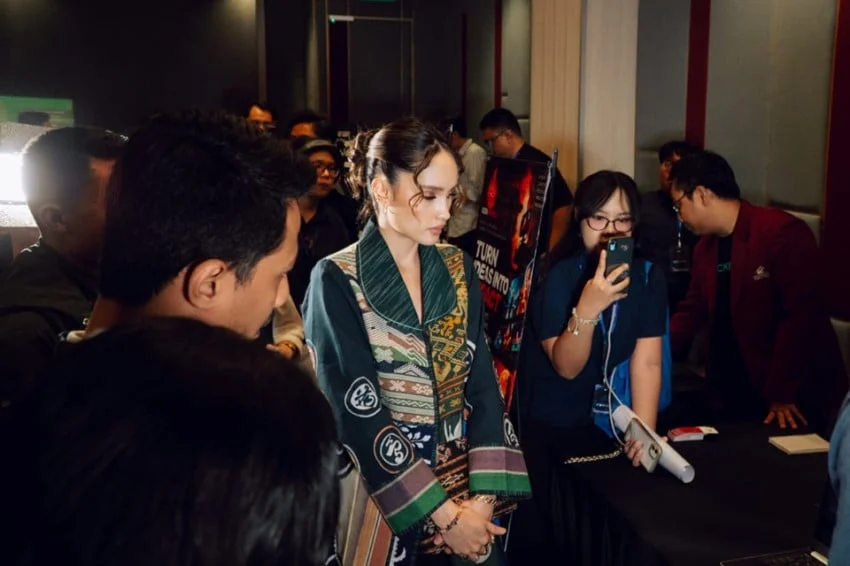
The Futurepreneur Lab 2026 Investment Day recently concluded in Jakarta, marking a significant milestone in Indonesia’s growing startup ecosystem. The event served as a high-stakes platform where selected student-led startups from various universities across the archipelago presented their business models to a panel of seasoned investors, strategic partners, and media representatives. Among the distinguished panel of judges was prominent Indonesian artist, entrepreneur, and philanthropist Cinta Laura, who provided not only professional evaluation but also critical mentorship to the next generation of business founders.
The event, which has become a cornerstone for university-level entrepreneurship in Indonesia, aims to bridge the gap between academic innovation and commercial scalability. By creating a direct pipeline between young innovators and industry veterans, the Futurepreneur Lab 2026 sought to validate business concepts that address local challenges while possessing the potential for regional and global expansion.
The Role of Leadership in the Startup Ecosystem
During the deliberation sessions, Cinta Laura emphasized that the foundation of a successful startup lies beyond the technical brilliance of a product; it is rooted in the leadership capabilities of its founders. Addressing the participants, she noted that whether an individual identifies as an operational executor or a visionary strategist, the mastery of leadership skills remains paramount.
"For young people, whether you identify as an operator or a visionary, you must ensure you build the right skills to become a great leader when you are eventually granted the opportunity to serve as a founder or business owner," Cinta remarked during the event. Her perspective is reflective of a shift in the venture capital landscape, where investors are increasingly prioritizing "founder-market fit" and the psychological resilience of leadership teams over raw technical output alone.
Cinta’s contribution to the panel was informed by her extensive background in the entertainment industry and her tenure as the founder of the Cinta Laura Foundation. Her career, which spans nearly two decades, began when she entered the creative industry at the age of 12. Having navigated the complexities of production houses, talent management, and organizational leadership, she offered a pragmatic viewpoint on what it takes to sustain a business in a competitive market.
Chronology and Evolution of the Futurepreneur Lab
The Futurepreneur Lab has evolved significantly since its inception. Initially conceived as a series of workshops for students, the program has transitioned into a comprehensive accelerator that culminates in the Investment Day. This progression mirrors the broader development of the Indonesian startup landscape, which saw a boom in the late 2010s and has now entered a phase of "disciplined growth."
The 2026 iteration of the program involved a rigorous three-stage process:
- Ideation and Scouting: Outreach across Indonesian universities to identify high-potential teams.
- Incubation: A three-month period of mentorship focusing on unit economics, market penetration, and MVP (Minimum Viable Product) development.
- Investment Day: The final pitch competition where teams face institutional investors and industry experts to secure funding or strategic partnerships.
This structured timeline ensures that by the time teams reach the judges at the Investment Day, they have moved past the conceptual stage and are prepared to discuss financial projections and scalability.
Diverse Perspectives: The Judging Panel
While Cinta Laura provided a unique viewpoint rooted in personal branding and sustainable social impact, the Futurepreneur Lab 2026 panel was designed to be multidisciplinary. The presence of Sumarny Manurung, Vice President of Investment at SPIL Ventures, brought a focus on logistics and supply chain optimization—two sectors that are vital for Indonesia’s archipelagic economy.
Joining them was Kameswara M. Rafi Al Fath, Project Manager at Startup Studio Indonesia (under the Ministry of Communication and Digital/KOMDIGI). His involvement underscored the government’s commitment to fostering a digital economy that is both compliant with local regulations and competitive on the global stage.
The inclusion of these varied stakeholders serves a dual purpose: it provides the students with immediate feedback on the viability of their business models and ensures that the startups are being evaluated against the current market conditions in Indonesia, which have become increasingly cautious following the global downturn in venture capital funding.
The Importance of Investor Literacy
Beyond the nuances of entrepreneurship, Cinta Laura took the opportunity to address the rising trend of youth investment. She highlighted the critical importance of "investor literacy," cautioning young individuals who are beginning to invest in startups or other asset classes to perform rigorous due diligence.
"Before you put your capital into a business, you must understand the fundamentals of that venture," she advised. This warning is timely, given the increasing accessibility of investment platforms that have lowered the barrier to entry for retail investors. As the line between consumer and investor continues to blur, the ability to discern between a hype-driven project and a sustainable business model has become an essential life skill for the younger generation.
Market Context and Economic Implications
Indonesia remains one of the most vibrant startup hubs in Southeast Asia. According to various industry reports, the country’s digital economy is projected to continue its upward trajectory, fueled by a young, tech-savvy demographic and high mobile penetration rates. However, the current "winter" in the venture capital market has forced startups to prioritize profitability over "growth at all costs."
The Futurepreneur Lab 2026 reflects this shift. The focus is no longer merely on securing the highest valuation, but on building businesses that can weather economic volatility. The participation of investors from venture capital firms indicates that the appetite for high-quality, early-stage startups remains strong, provided they can demonstrate a clear path to monetization.
For the students involved, the experience is transformative. Regardless of whether they secure funding, the process of interacting with high-level judges provides them with a "reality check" that is rarely found in a classroom setting. The feedback provided by experts like Cinta Laura and representatives from SPIL Ventures and KOMDIGI helps refine their pitches and, more importantly, forces them to reconsider their assumptions about the market.
Impact of Celebrity Mentorship in Entrepreneurship
The involvement of a high-profile figure like Cinta Laura serves to amplify the visibility of the startup ecosystem. By leveraging her influence, the Futurepreneur Lab is able to reach a wider audience, encouraging students from non-traditional academic backgrounds—such as the arts and social sciences—to consider entrepreneurship as a viable career path.
This cross-pollination of industries is a defining characteristic of the modern Indonesian startup scene. As technology integrates further into creative and service-oriented sectors, the need for leaders who possess both emotional intelligence and analytical rigor has never been greater. Cinta’s emphasis on "becoming a great leader" rather than just a "founder" suggests that the goal of the program is not just to build successful companies, but to cultivate a cohort of responsible, long-term business leaders who are capable of navigating the complex socio-economic landscape of 21st-century Indonesia.
Looking Ahead: The Future of the Lab
As the curtain closes on the 2026 edition of the Futurepreneur Lab, the implications for the participants are clear. The relationships formed with judges and mentors are intended to extend beyond the day of the event. Successful startups often find that the initial pitch is only the beginning of a long-term advisory relationship with the experts who evaluated them.
Furthermore, the participation of government bodies like KOMDIGI ensures that these startups are aligned with national digital transformation goals. This creates a supportive environment where innovation can thrive, provided it is tempered by the hard lessons of business reality.
In conclusion, the Futurepreneur Lab 2026 has successfully fulfilled its mandate: to provide a rigorous, professional, and insightful platform for the next generation of Indonesian entrepreneurs. By blending the strategic acumen of investment professionals with the leadership philosophy of experienced figures like Cinta Laura, the event has equipped its participants with the tools necessary to turn their ideas into tangible, impactful ventures. As these young founders move forward, the lessons imparted during this intensive session—focusing on leadership, deep industry knowledge, and fiscal responsibility—will likely serve as the bedrock of their future professional endeavors in an increasingly interconnected global economy.