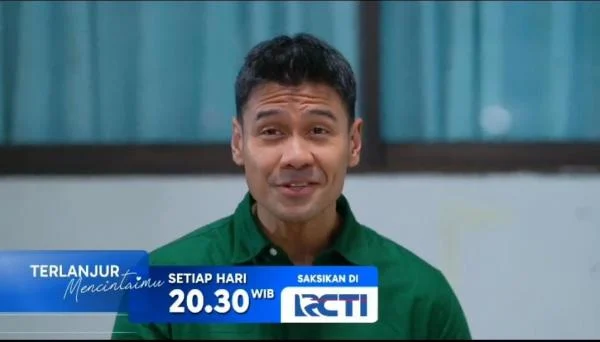
The landscape of Indonesian evening television drama continues to captivate millions of households, with prime-time serials serving as a cultural touchstone for domestic entertainment. Among the current broadcast lineup, the romantic drama series Terlanjur Mencintaimu, aired daily on RCTI Channel 28, has steadily drawn significant viewership due to its intricate plotlines, high emotional stakes, and complex character dynamics. Broadcast at 20.30 Western Indonesian Time (WIB), the series weaves a tapestry of romance, deceit, and family conflict that resonates deeply with audiences seeking high-drama narrative arcs. Recent episodes have injected a new level of urgency into the overarching storyline, highlighted by a tense confrontation at TMC Hospital that threatens to shatter long-held secrets regarding identity and parentage.
The narrative momentum of Terlanjur Mencintaimu relies heavily on shifting alliances and hidden agendas among its core ensemble cast. As the storyline progresses, the psychological chess match between characters intensifies, transforming subtle domestic interactions into high-stakes confrontations. Viewers have been drawn into a narrative web where past decisions dictate present crises, keeping the audience invested in the ultimate resolution of the central mysteries.
Sensing and Strategizing: Celia and Elio Navigate the Emotional Maze
At the center of the current dramatic arc is Celia, whose strategic maneuvering has begun to close in on Alex. Celia’s primary objective is to force Alex to confess the absolute truth regarding the identity and whereabouts of Arumi’s child. Her calculated moves serve as a narrative catalyst, designed to dismantle the web of falsehoods that Alex has meticulously constructed over the months. Celia’s character embodies the investigative drive within the storyline, shifting the narrative from passive emotional suffering to active pursuit of accountability.
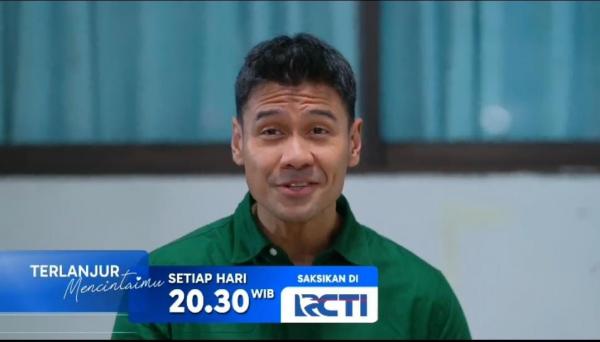
Concurrently, the dynamic between Elio and Arumi introduces a lighter, yet emotionally significant, subplot that grounds the heavy drama in genuine human connection. Elio finds himself unexpectedly amused—and touched—after discovering that he became the unwitting subject of playful teasing in one of Arumi’s videos. This minor incident, compounded by small, domestic acts of care such as Arumi delivering a cup of coffee, fosters a growing sense of intimacy. Elio increasingly interprets these subtle gestures as evidence that genuine romantic feelings are beginning to blossom between them, providing a stark emotional contrast to the underlying tension surrounding Arumi’s maternal grief.
The Hospital Crisis: A Turning Point at TMC
The delicate balance between developing romance and hidden trauma is abruptly shattered when a medical emergency pulls all the principal characters into the same physical space. Laura’s sudden and severe illness necessitates immediate hospitalization, leading to her admission at TMC Hospital. The urgency of the medical crisis serves as a narrative device that forces characters out of their isolated environments and into direct, unavoidable proximity.
The situation escalates dramatically when Alex brings Kenzo into the hospital’s Emergency Department (IGD). Fate intervenes as Arumi happens to be present, catching a glimpse of Alex with the infant. Overwhelmed by maternal instinct and desperate for answers, Arumi abandons all hesitation and gives chase, demanding immediate transparency from Alex regarding the child.
The ensuing confrontation in the hospital corridor highlights the physical and emotional barriers Alex has erected. Rather than offering an explanation, Alex attempts to evade Arumi, resorting to physical force by pushing her away to prevent her from reaching the child. This escalation draws the immediate intervention of Elio, who steps in to protect Arumi from physical harm. The climax of the corridor confrontation centers on the infant himself; Kenzo, distressed by the commotion, breaks into inconsolable cries as he strains toward Arumi. Overwhelmed by the infant’s reaction and cornered by the public nature of the hospital setting, Alex is left with no choice but to relinquish the baby. The moment Kenzo is gathered into Arumi’s arms, the infant’s crying instantly ceases, settling into a profound calm that speaks louder than any verbal testimony.
Confrontation and Continued Deception: Elio’s Ultimatum
The undeniable physical and emotional resonance between Arumi and Kenzo provides Elio with the external validation he needs to connect the dots. Witnessing the instantaneous bond between the infant and the grieving mother, Elio becomes resolutely convinced that Alex has been perpetrating a massive deception.

Seizing the momentum of the moment, Elio confronts Alex directly, abandoning diplomatic niceties. He issues a firm ultimatum, demanding that Alex cease his continuous stream of falsehoods. Elio asserts with absolute confidence that he has already accumulated a substantial body of evidence corroborating Arumi’s claims. According to Elio, it is merely a matter of time before legal and factual proofs solidify the reality that Kenzo is, beyond a shadow of a doubt, Arumi’s biological child.
Despite the mounting pressure, the presence of undeniable evidence, and the emotional appeals of those around him, Alex remains trapped in his own defensive architecture. Cornered and visibly shaken, Alex experiences a momentary lapse where his composure cracks under the weight of the accusation. However, when he finally approaches Arumi, the narrative delivers a heartbreaking reversal. Rather than offering the long-awaited confession or returning the child to its rightful mother, Alex retreats into familiar patterns of manipulation. He chooses once again to deceive Arumi, reassuring her with a hollow promise that her child is safe and implying that a reunion will occur in an unspecified future. This ongoing deception deepens the emotional tragedy of Arumi’s character, resetting the conflict and ensuring that the pursuit of truth will remain the central driving force of the series in upcoming broadcasts.
The Broader Appeal and Cultural Resonance of Indonesian Prime-Time Drama
The dramatic trajectory of Terlanjur Mencintaimu reflects broader structural trends within the Indonesian television and entertainment industry. Prime-time dramas (commonly referred to locally as sinetron) occupy a vital space in the national media ecosystem, consistently driving television ratings and generating significant digital engagement across social media platforms. Industry analysts note that the enduring popularity of these programs stems from their ability to blend high-stakes melodrama with relatable domestic themes—such as maternal love, deception, class dynamics, and the quest for justice.
Production houses and broadcasting networks, such as RCTI, invest heavily in narrative pacing, character development, and strategic scheduling to maintain audience retention in an increasingly competitive media landscape that now includes over-the-top (OTT) streaming services. The inclusion of multi-layered conflicts—where villains possess sympathetic dimensions and protagonists face continuous systemic and interpersonal obstacles—ensures that viewers remain emotionally invested over dozens, and sometimes hundreds, of episodes.
Furthermore, the integration of digital extensions, such as official companion channels on messaging applications like WhatsApp, allows broadcasters to cultivate a dedicated community of followers. These platforms facilitate real-time fan discussions, predictive theories regarding plot twists, and instantaneous distribution of recaps, thereby extending the lifespan and cultural footprint of the broadcasted content far beyond its traditional viewing window.

Looking Ahead: Narrative Implications for Future Episodes
As Terlanjur Mencintaimu continues its run, the developments at TMC Hospital mark a critical narrative turning point. The confrontation between Elio, Arumi, and Alex establishes clear battle lines for future episodes. With Elio actively assembling evidence and Celia systematically applying pressure from another angle, the structural integrity of Alex’s secrets is severely compromised.
For the audience, the unfolding conflict promises heightened tension, as the inevitability of the truth coming to light clashes with the desperate defensive measures of a cornered antagonist. Whether Elio’s evidence will withstand legal and personal scrutiny, and how long Alex can sustain his elaborate falsehoods in the face of maternal intuition and investigative persistence, will remain the defining questions for viewers tuning in to RCTI Channel 28 at 20.30 WIB. As the emotional and dramatic stakes continue to escalate, Terlanjur Mencintaimu solidifies its position as a compelling study in human resilience, deception, and the unyielding power of familial bonds within the realm of contemporary television drama.