The pursuit of corruption eradication in Indonesia is entering a pivotal phase as the government and the House of Representatives (DPR) accelerate the deliberation of the Asset Recovery Bill (RUU Perampasan Aset). After more than a decade of legislative stagnation, the mandate to secure the nation’s wealth—not merely punish offenders—has become a cornerstone of the 2026 anti-corruption agenda. With the DPR setting a strict deadline for the bill’s completion by December 2026, the nation stands at a crossroads regarding how it handles the illicit proceeds of white-collar crime.
The Evolution of Asset Recovery in Indonesia
The discourse surrounding the recovery of stolen state assets is not a new phenomenon. The initial concept emerged as early as 2008, driven by the realization that traditional punitive measures, such as imprisonment, often fail to address the primary motivation behind corruption: financial gain.
For years, the legal framework relied heavily on the Criminal Code (KUHP), the Corruption Eradication Law, and the Anti-Money Laundering Law. While these statutes allowed for asset confiscation, they were tethered to the conviction of a suspect. This meant that if a perpetrator passed away, fled the jurisdiction, or successfully obscured the legal trail of their assets, the state faced significant hurdles in reclaiming its losses. The proposed RUU Perampasan Aset aims to bridge these systemic gaps, providing a dedicated legal instrument that prioritizes the return of state capital regardless of the perpetrator’s fate.
Statistical Justification for Legislative Reform
The urgency behind the bill is underscored by the dramatic rise in asset recovery figures. Data from 2025 reveals a significant leap in successful state interventions. The Corruption Eradication Commission (KPK) reported that it successfully recovered assets totaling Rp1.53 trillion throughout 2025, more than doubling the Rp739.6 billion recovered in 2024. When aggregated across all major law enforcement agencies—including the Attorney General’s Office (Kejaksaan Agung), the KPK, and the National Police—the total value of recovered assets in 2025 reached an impressive Rp28.6 trillion.
These figures serve as empirical proof that asset recovery is not merely a supplementary goal but a central pillar of fiscal justice. By formalizing the asset recovery process through the RUU, the government anticipates a more streamlined, efficient mechanism that can reduce the bureaucratic friction currently hindering recovery efforts.
The Core Innovation: Non-Conviction Based Forfeiture
Perhaps the most controversial and transformative element of the RUU Perampasan Aset is the integration of the non-conviction based forfeiture (NCBF) mechanism. In the current judicial system, asset forfeiture is typically conviction-based, requiring a court ruling that declares a defendant guilty of a specific crime before their assets can be seized.
The NCBF approach shifts the focus from the individual to the asset itself. Under specific, clearly defined conditions, the state may pursue the forfeiture of property suspected of being derived from illicit activity without needing to secure a criminal conviction first. While this is a common practice in international jurisdictions—often referred to as in rem jurisdiction—its implementation in Indonesia requires meticulous legal safeguards.
Legal scholars and human rights advocates have expressed concerns regarding the potential for abuse. To mitigate these risks, the current draft of the bill emphasizes stringent requirements for the burden of proof, transparent judicial oversight, and protections for third-party claimants who may possess assets in good faith. The objective is to ensure that the state can move swiftly against "unexplained wealth" while maintaining the integrity of the constitutional right to property.
Alignment with International Commitments
The push for this legislation is also a direct response to Indonesia’s international commitments, specifically the United Nations Convention Against Corruption (UNCAC), which Indonesia ratified via Law Number 7 of 2006. The convention underscores the necessity of international cooperation in tracking and repatriating assets that have been laundered across borders.
By modernizing its domestic law to match international standards, Indonesia is positioning itself to be more effective in transnational investigations. As corruption increasingly involves sophisticated money laundering techniques and offshore accounts, having a robust domestic legal framework for asset seizure becomes a prerequisite for international legal assistance (MLA). Without the RUU Perampasan Aset, Indonesia remains at a disadvantage in requesting that foreign jurisdictions freeze or return assets stolen from the Indonesian treasury.
Official Stances and Legislative Hurdles
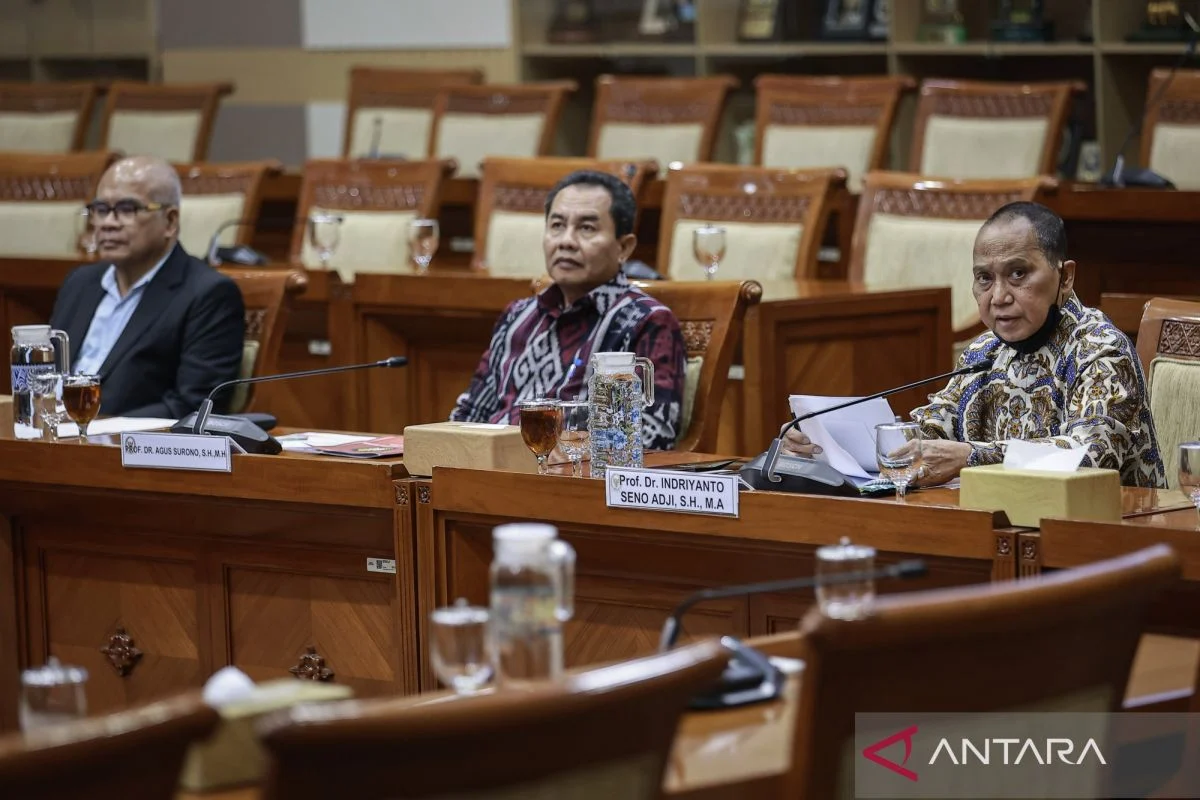
The legislative process in 2026 has been marked by a concerted effort from the DPR’s Commission III to reconcile competing interests. There is a general consensus that the bill must not become a "tool of power" that could be weaponized against political opponents. Consequently, the deliberation process is characterized by intense debates over the definitions of "illicit assets" and the thresholds for initiating an NCBF proceeding.
The National Police (Polri), through the newly formed Directorate of Corruption Crimes (Kortastipidkor), has signaled its strong support for the bill. Law enforcement agencies argue that the current legal tools are insufficient to keep pace with the complex financial engineering employed by modern corruptors. By empowering the state to seize assets early in the investigative process, law enforcement can effectively "freeze" the proceeds of crime, preventing them from being dissipated during lengthy trials.
Challenges to Implementation: Transparency and Protection
Despite the widespread support for the bill’s intent, critics and observers have highlighted that the effectiveness of the RUU will ultimately depend on its implementation. Key concerns include:
- Judicial Professionalism: The capacity of the judiciary to handle NCBF cases without bias or corruption is paramount.
- Protection of Third Parties: Ensuring that individuals or institutions that innocently acquired assets are not unfairly penalized.
- Institutional Synergy: Harmonizing the roles of the KPK, the Attorney General, and the Police to avoid overlapping authorities or jurisdictional disputes.
Civil society organizations have urged the government to ensure the process remains transparent. They argue that public participation is vital to prevent the inclusion of "grey area" clauses that could be exploited. The government has responded by promising a series of public consultations to refine the bill before the December 2026 deadline.
Broader Economic and Legal Implications
The successful enactment of the RUU Perampasan Aset could lead to a fundamental shift in the risk-reward calculus of corruption in Indonesia. If the state demonstrates an ability to consistently and efficiently strip corruptors of their illicit wealth—regardless of the legal maneuverings of the criminals—the deterrent effect will be significantly amplified.
Furthermore, the recovery of trillions of rupiah annually provides a tangible boost to the state budget, which can be reallocated toward public infrastructure, education, and healthcare. It transforms the fight against corruption from a purely legalistic endeavor into a tangible economic policy that benefits the broader public.
A Look Ahead: Toward December 2026
The timeline set by the DPR is ambitious. The next several months are expected to involve rigorous debates in the parliament, involving both legislative experts and constitutional law scholars. The goal is to reach a final draft that satisfies the constitutional requirements of due process while providing the executive branch with the "teeth" necessary to combat systemic graft.
As the December 2026 deadline approaches, the focus will remain on the balance between state power and individual rights. The RUU Perampasan Aset represents the most significant attempt yet to modernize Indonesia’s anti-corruption toolkit. If implemented with the necessary checks and balances, it promises to reshape the landscape of law enforcement, ensuring that corruption becomes a "high-risk, low-reward" activity, and that the assets lost to the nation are restored to those to whom they rightfully belong: the citizens of Indonesia.