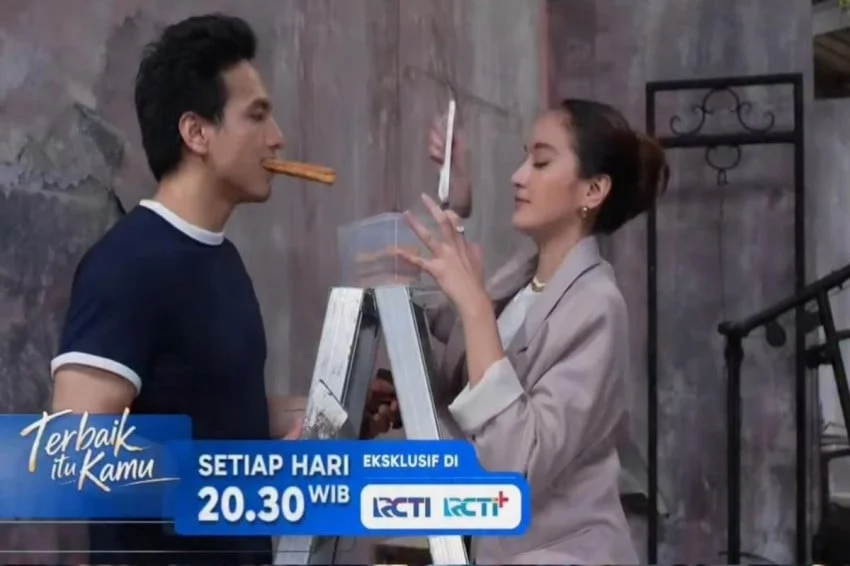
The television drama landscape in Indonesia continues to evolve, with prime-time slots serving as a battleground for viewership dominance. Among the latest entries capturing the attention of the Indonesian audience is the sinetron "Terbaik Itu Kamu," which airs nightly at 20:30 WIB on RCTI. Produced by MNC Media, the series has carved a niche for itself by weaving a complex narrative that traverses the delicate boundaries of romance, family dynamics, and high-stakes action.
Production Context and Creative Direction
The success of "Terbaik Itu Kamu" can be attributed to its multifaceted storytelling approach. Unlike traditional soap operas that often focus solely on domestic melodrama, this production integrates elements of corporate intrigue and investigative tension. The narrative architecture is designed to appeal to a broad demographic, balancing emotional character arcs with fast-paced plot developments.
The ensemble cast features a mix of established veterans and rising stars, a strategic move by the producers to ensure both performance quality and social media engagement. Leading the cast are Salsabila Andriani, portraying Sera Maharani, and Jefri Nichol, who steps into the role of Kenzi Adrian. They are supported by a strong secondary cast including Marvin Daneswara (Arya Vasco), Rachel Patricia (Clara Putri), Benny Ruswandi (Prayoga Bratanegara), and Cinta Dewi (Lena Saputri). The synergy between these actors has been noted by industry observers as a key factor in the show’s consistent performance in the Nielsen ratings for the prime-time slot.
Narrative Chronology and Character Development
The progression of "Terbaik Itu Kamu" has reached a critical juncture, characterized by shifting alliances and the exposure of long-held secrets. Recent episodes have focused heavily on the internal struggles of the supporting characters, adding layers of depth that resonate with viewers.
A primary example of this narrative strategy is the recent arc involving the character Bebeto. The plotline involving Bebeto’s attempt to secure a position as a research staff member in Makassar serves as a microcosm for the series’ broader themes: the tension between personal ambition and familial loyalty. When Bebeto is offered the position, his immediate impulse is to decline, citing his commitment to Kenzi and Alea, who are currently navigating a period of financial and emotional instability.
The sequence of events—which depicts Kenzi and Alea actively encouraging Bebeto to pursue his professional aspirations—highlights the altruistic nature of the show’s central trio. However, the subsequent failure of the interview process introduces a classic element of dramatic irony. Bebeto’s lack of awareness regarding the identity of his interviewer, an executive from PT Rimba Mineral, leads to an accidental critique of the company, resulting in a failed opportunity. The narrative tension is then heightened by Bebeto’s decision to maintain a facade of professional success, resorting to secret employment at Mahar Fit to protect his friends from the disappointment of his failure. This specific trajectory illustrates the writers’ commitment to grounded, albeit dramatic, human experiences.
Analysis of Industry Trends in Prime-Time Television
The performance of "Terbaik Itu Kamu" aligns with current trends in the Indonesian television industry, where production houses are increasingly moving toward "hybrid genre" formats. By merging romance with corporate thriller elements, shows are able to retain viewers who are traditionally divided between different content preferences.
Market analysis suggests that audiences are becoming more sophisticated, moving away from linear storytelling in favor of plots that feature "red herrings," ethical dilemmas, and professional stakes. The inclusion of corporate entities like "PT Rimba Mineral" within the show’s universe provides a realistic backdrop that mirrors real-world economic pressures, making the stakes feel more tangible for the audience.
Furthermore, the integration of digital engagement—through social media platforms and online recaps—has created a feedback loop. When a plot twist, such as the revelation regarding the disappearance of the character Zara, occurs, it triggers an immediate spike in digital traffic. This phenomenon was evidenced by the widespread discussion surrounding Episode 21, where the revelation of the truth about Zara’s disappearance served as a catalyst for significant character growth for Larasati.
Implications of Narrative Choices
The decision to incorporate complex subplots, such as the suspicion of a "traitor" within the ranks (as explored in Episode 19), serves a dual purpose. First, it maintains high levels of audience retention by creating "cliffhanger" moments that drive viewership for the following night. Second, it allows the production to test the versatility of its cast members, as they shift from romantic scenes to high-intensity dramatic confrontations.
From a production standpoint, this strategy is highly efficient. By maintaining a consistent, high-quality output of 20:30 WIB broadcasts, RCTI solidifies its reputation as a hub for family-oriented drama. The involvement of MNC Media also ensures that the production quality—ranging from cinematography to post-production sound design—remains at a competitive level, enabling the show to withstand the scrutiny of a modern audience accustomed to high-definition content and global streaming standards.
Official Responses and Viewer Reception
While official statements from the production house remain focused on the creative vision of the series, the reception on digital platforms provides a clear metric of success. Audience sentiment, monitored through social media interactions, indicates that the character development arc of Bebeto and the ongoing mystery of the "traitor" are the most discussed aspects of the current season.
The show’s ability to balance the "hero’s journey" of characters like Kenzi with the "tragic flaw" narratives of supporting cast members has garnered praise from television critics. The focus on themes such as betrayal and the struggle for truth provides a moral framework that appeals to the core demographic of Indonesian viewers, who prioritize family values and the triumph of justice over adversity.
Future Outlook and Sustaining Momentum
As "Terbaik Itu Kamu" continues its run, the primary challenge for the creative team will be to maintain the narrative momentum without succumbing to repetitive tropes. The trajectory of the show suggests that the mystery surrounding PT Rimba Mineral and the broader web of corporate betrayal will continue to be the primary engine of the plot.
Looking ahead, the show is expected to focus more on the confrontation between the protagonists and the antagonists who have been orchestrating the series’ various conflicts. The interplay between the personal lives of the characters and their professional obligations will likely remain the focal point, as these dual layers provide the most fertile ground for dramatic development.
In conclusion, "Terbaik Itu Kamu" stands as a testament to the enduring popularity of the sinetron format when it is executed with narrative ambition and production precision. By blending the emotional resonance of family drama with the structural complexity of a corporate thriller, the series has successfully positioned itself as a cornerstone of prime-time programming. As the characters navigate their respective challenges, the audience remains tethered to the screen, awaiting the resolution of the many threads that have been so carefully woven together. The success of this series underscores the potential for Indonesian television to continue evolving, provided it maintains the delicate balance between relatable character arcs and compelling, high-stakes storytelling.