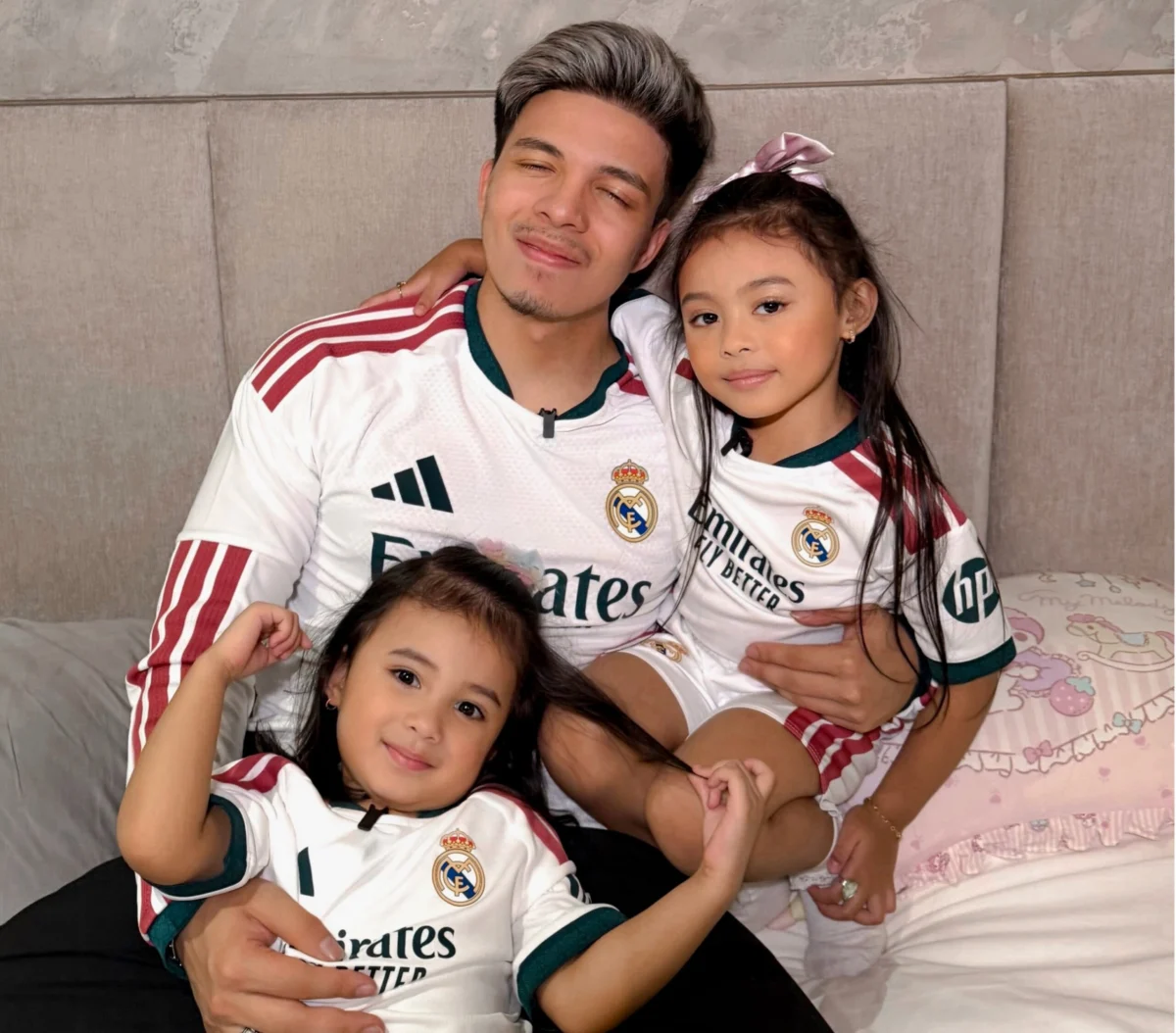
The dynamics of modern parenting in the spotlight have once again come to the forefront following a poignant exchange between popular Indonesian YouTuber Atta Halilintar and his eldest daughter, Ameena Hanna Nur Atta. The interaction, which originated during a public podcast appearance and subsequently transitioned into a reflective social media post by the father, has sparked a broader conversation regarding the psychological challenges of sibling transition and the evolving role of public figures as parents. As Atta Halilintar navigates the complexities of raising two young children under intense public scrutiny, his candid admission of imperfection serves as a case study for parental accountability in the digital age.
Chronology of the Interaction
The narrative began to unfold during a recent podcast appearance featuring Atta Halilintar, his wife Aurel Hermansyah, and their eldest daughter, Ameena. During the casual yet candid interview, the young child expressed feelings of perceived inequality regarding the attention she receives compared to her younger sister, Azura Humaira Nur Atta. Ameena’s observations, delivered with the blunt innocence characteristic of a child, suggested that she felt her father prioritized physical affection toward her younger sibling and was more prone to reprimanding her.
This segment of the podcast quickly gained traction across various social media platforms, including TikTok and Instagram. Viewers began dissecting the clip, leading to a wave of commentary concerning "first-child syndrome"—a phenomenon where the eldest child often struggles with the shift in family dynamics following the arrival of a new sibling. By November 5, 2026, the discourse had reached a point where Atta Halilintar felt compelled to issue a formal public response to clarify his position and reaffirm his dedication to his children.
Parental Responsibility and Public Scrutiny
Atta Halilintar, who commands one of the largest digital audiences in Southeast Asia, operates under a unique set of pressures. Every interaction he has with his children is subject to analysis by millions of followers. In his response, posted via his verified Instagram account, the YouTuber moved away from the performative nature of influencer culture to adopt a tone of vulnerability.

He explicitly stated that his love for both Ameena and Azura remains absolute and uniform, dismissing any notion that he favors one child over the other. The core of his message was an acknowledgment of the learning curve inherent in parenthood. By stating, "Papa is still far from being perfect," Halilintar addressed the reality that parenting is not a static skill but a continuous process of adaptation. His public apology served as a mechanism to validate Ameena’s feelings while simultaneously setting a tone of humility for his audience.
The Psychology of Sibling Rivalry and Parental Perception
Psychological experts often emphasize that children’s perceptions of parental favor are subjective and frequently fluctuate based on their developmental stage. When a child like Ameena voices a feeling of being "less loved," it is rarely a reflection of the parent’s actual internal state, but rather a reflection of the child’s need for security and consistency.
In family psychology, this is known as "differential parental treatment." While parents often believe they are being fair, children may interpret specific actions—such as a parent disciplining the older child for behavior that is overlooked in the younger sibling due to age differences—as unfair. Atta Halilintar’s public acknowledgment of these feelings is significant because it shifts the focus from "who is right" to "how we communicate." By choosing to address this publicly rather than ignoring it, Halilintar has demonstrated a commitment to emotional intelligence, a trait increasingly valued in contemporary parenting models.
Supporting Data on Digital Parenting Trends
The scrutiny faced by the Halilintar family is emblematic of a global trend where "sharenting"—the act of parents sharing significant amounts of content about their children on social media—has become a standard practice for internet-based celebrities. According to recent digital media research, families that document their lives online often face heightened pressure to project an image of perfection.
When an incident like this occurs, it challenges the "perfect family" narrative. However, data suggests that content depicting the raw, imperfect, and challenging aspects of parenting often fosters a deeper, more loyal connection with audiences. By showing that he is willing to "learn to be a better father," Atta Halilintar has humanized his brand, moving beyond the curated images of wealth and success to address the universal challenges of raising children in the 21st century.

Analysis of the Implications
The ripple effect of this interaction suggests several implications for public figures and their followers:
- Destigmatizing Parental Imperfection: By admitting that he has much to learn, Halilintar reduces the pressure on other parents to appear flawless. It validates the struggles of parents everywhere who find it difficult to balance the needs of multiple children.
- The Impact of Digital Permanence: For children of influencers, their formative years are archived on the internet. This interaction highlights the necessity for parents to be conscious of how they discuss their children’s vulnerabilities in public forums, ensuring that the child’s dignity remains protected while addressing their emotional needs.
- The Role of Public Apology: In the context of celebrity culture, an apology is often used to mitigate PR disasters. Here, the "apology" serves a different function: it is an interpersonal tool aimed at de-escalating domestic tensions that have spilled into the public sphere.
Broader Context and Future Outlook
The Halilintar-Hermansyah household remains one of the most followed families in Indonesia. Their transition from a newly married couple to parents of two has been documented in high resolution, providing a longitudinal look at their family growth. As Ameena grows older and develops a more complex understanding of the world, these discussions about fairness and love will likely become more nuanced.
Moving forward, the challenge for public figures like Atta Halilintar lies in maintaining the boundary between their professional persona and their private roles as parents. While his recent statement has been received positively by fans, the ongoing task will be to integrate these lessons into daily life—moving from the promise of "becoming better" to the consistent demonstration of attentive, equitable parenting.
The incident also serves as a reminder to the broader public that celebrity families are subject to the same developmental hurdles as any other family. Whether it is sibling rivalry, the challenges of attention distribution, or the simple desire to be understood, these human experiences transcend the glitz of social media fame.
Ultimately, Atta Halilintar’s commitment to self-improvement as a father highlights a positive shift in the discourse surrounding masculinity and parenting in the digital age. By prioritizing the emotional well-being of his children over his public image, he sets a precedent for how public figures can navigate the intersection of fame and family life with grace and accountability. As he continues his journey as a father to both Ameena and Azura, the public will likely continue to observe how these lessons are applied, not just in front of a camera, but in the quiet, unrecorded moments that truly define the parent-child bond.